
Seattle Injury Claims: How Insurance Companies Evaluate Them

Seattle Injury Claims: How Insurance Companies Evaluate Them
Understanding How Insurance Companies Approach Seattle Car Accident Claims
After a car accident in Seattle, many injured people assume their insurance claim will be handled fairly and quickly. Unfortunately, the reality is often more complicated. The insurance industry operates as a profit-driven business model, and insurance companies frequently focus on strategies designed to minimize payouts whenever possible.
These practices can leave injured individuals struggling with medical bills, lost income, and emotional distress while insurers attempt to reduce the value of a personal injury claim. Without understanding these insurance company tactics, accident victims may unknowingly weaken their position in the claims process.
This guide explains how insurance companies use delay, denial, and dispute strategies after a Seattle accident, and how a personal injury lawyer can help protect your legal rights. Understanding these tactics and seeking legal guidance early may help protect your rights and ensure your claim is handled properly.
Why Early Legal Guidance Can Be Important After an Injury Claim
The early days following an accident are critical. Decisions made during this period can affect how a claim is documented and evaluated during the insurance process.
Many victims are contacted by insurance adjusters within hours or days after a crash. Adjusters may appear helpful, but their role is to evaluate claims in a way that protects the insurer’s financial interests. Some may even suggest that hiring a personal injury attorney is unnecessary.
In many cases, obtaining guidance from a personal injury law firm early can help ensure that the claims process is handled carefully and that important steps are not overlooked. A knowledgeable injury lawyer understands the legal system, the Washington law governing accidents, and the common tactics used by insurers.
An experienced lawyer can also ensure that victims avoid mistakes such as giving damaging statements or accepting a low settlement offer too quickly. For those seeking guidance, speaking with a Seattle personal injury lawyer may help you better understand the legal process and available options after an accident.

Common Insurance Company Tactics After a Seattle Car Accident
Delay, Deny, or Dispute Strategies
One of the most common insurance company tactics is the “delay, deny, or dispute” strategy. These approaches are often used to create financial pressure on injured individuals.
Insurance companies may delay a claim by requesting repeated paperwork, additional medical records, or unnecessary evaluations. Some insurers may even refuse to schedule medical examinations promptly. These delays can push victims toward accepting a reduced settlement simply to cover immediate expenses.
Other times, insurers attempt to shift fault to the injured person. Washington follows a pure comparative fault rule, meaning even a small percentage of fault can reduce the compensation available. The Washington State Legislature outlines this comparative negligence system, which allows recovery even when a claimant shares responsibility.
By arguing shared liability or denying liability outright, insurers attempt to limit the amount they must pay.
Recorded Statements and Inconsistent Comments
Another tactic involves requesting a recorded statement shortly after the accident. Insurance representatives may frame this request as routine, but the conversation is often carefully structured.
If a claimant makes a minor mistake, such as misremembering a timeline or describing their current pain differently later, insurers may argue that the statement undermines the personal injury claim. This strategy can affect how insurers evaluate the extent of injuries.
For this reason, many attorneys advise avoiding recorded statements until a personal injury lawyer can review the request.
Quick Lowball Settlement Offers
Insurers often make an early lowball offer before the full extent of injuries is known. These offers may appear attractive to someone facing rising medical costs or missing work.
However, accepting the first settlement typically requires signing a release that permanently closes the claim. Once a victim agrees to such terms and signs the agreement, they usually cannot pursue additional compensation if complications arise later.
Because of this, accident victims should carefully evaluate any settlement offer before deciding to settle.
Surveillance and Medical Record Reviews
Insurance companies may also conduct surveillance or analyze a claimant’s medical history to question the seriousness of injuries. Investigators sometimes observe daily activities or review social media posts.
They may argue that a victim’s injuries stem from pre-existing conditions rather than the accident itself. According to the National Highway Traffic Safety Administration (NHTSA), motor vehicle crashes frequently cause injuries such as fractures, spinal trauma, and head injuries that may worsen pre-existing conditions.
Insurance companies sometimes rely on these arguments to reduce compensation or dispute treatment needs.
Where Insurance Company Tactics Appear in the Claims Process
Insurance company strategies can appear at nearly every stage of the claims process.
Initial Reporting Stage
When victims first report the accident, insurers often ask questions that appear routine but may lock claimants into statements about what happened. Even a simple description of the incident involving the other driver can later be used in arguments about liability.
Investigation Stage
During the investigation phase, insurers gather police reports, witness statements, and medical records. They may highlight any inconsistencies in the timeline of treatment or question whether injuries were caused by the crash.
Valuation Stage
Once insurers analyze the claim, they attempt to estimate the value of the case. This stage often involves scrutinizing medical care, projected recovery timelines, and lost income. Adjusters may question whether treatments were necessary or suggest that injuries are less severe than reported.
The Insurance Information Institute explains that insurers evaluate claims based on documented damages, which is why thorough documentation is essential.
Resolution Stage
At the final stage, insurers may present a settlement proposal designed to cap their financial exposure. These offers may include structured payments or require signing a comprehensive release of all future claims.
Without legal guidance, many individuals accept these agreements without fully understanding the consequences.
How a Personal Injury Lawyer Protects Your Injury Claim
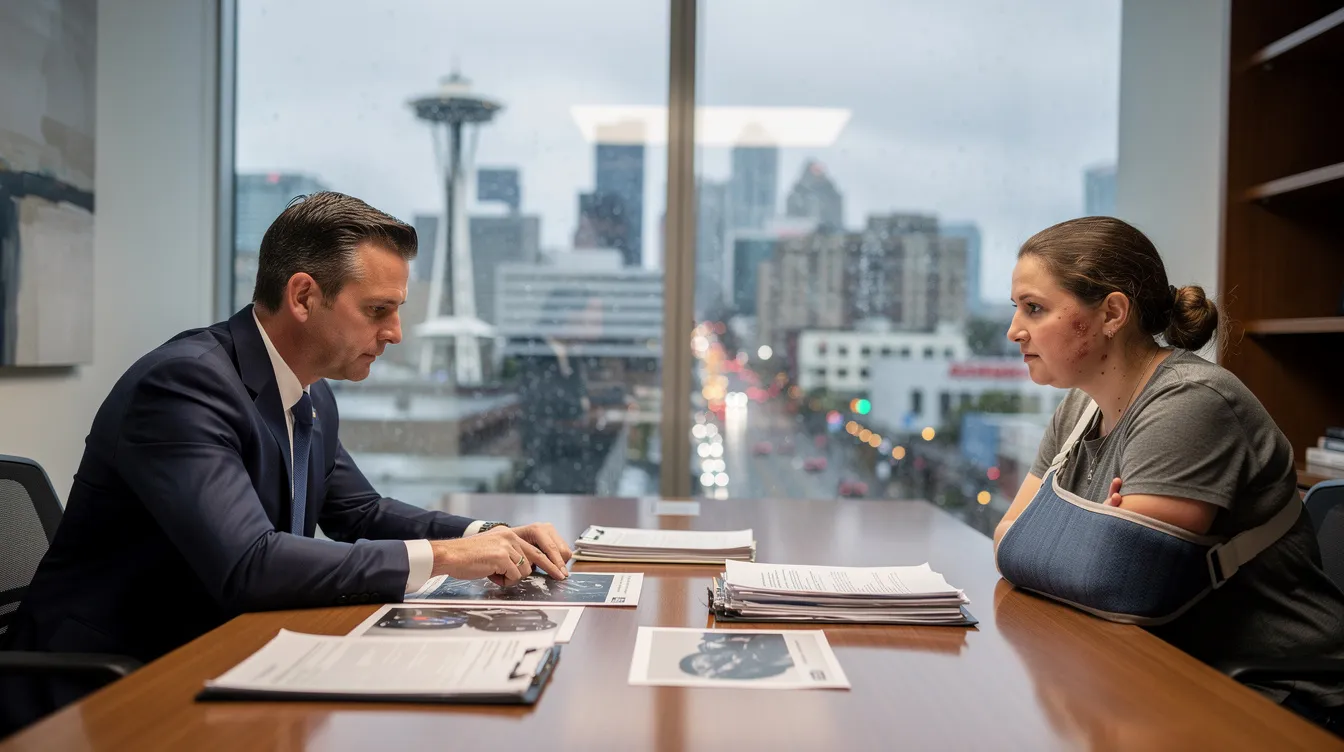
A skilled personal injury attorney plays a critical role in protecting clients from these tactics. Lawyers understand how insurance companies use specific strategies to reduce claims and can intervene early.
Attorneys often act as the primary point of contact for insurers, preventing clients from making statements that could harm their case. This approach allows injured individuals to focus on recovery while their lawyer manages communications with insurers.
Legal representation can also help victims make informed decisions about whether a settlement is appropriate. Legal representation may help ensure that your claim is thoroughly evaluated and that settlement offers are carefully reviewed.
Gathering Evidence and Reconstructing the Accident
One of the most important roles of an attorney is gathering strong evidence. Building a successful personal injury case requires more than a basic accident report.
Lawyers collect photographs, surveillance footage, and witness statements. They may also obtain traffic camera recordings and vehicle data when available.
Attorneys frequently consult medical experts to analyze injuries and connect them to the accident. Detailed medical records help establish causation and demonstrate how injuries affect a person’s daily life.
In complex cases, accident reconstruction specialists may analyze vehicle damage, skid marks, and roadway conditions. These experts help clarify how the crash occurred and can counter insurer arguments about fault.
Negotiating With Insurance Companies for Fair Compensation
Negotiation is another area where experienced lawyers add significant value.
Attorneys prepare a detailed demand package that outlines damages such as medical expenses, lost wages, and emotional distress. They may also include expert opinions projecting future medical care needs.
This comprehensive presentation often strengthens a victim’s position when negotiating with insurers. When adjusters respond with a lowball offer, attorneys can challenge their assumptions and argue for a more realistic evaluation of the claim.
When insurers know that a claim is well-prepared and supported by evidence, it can help facilitate meaningful settlement discussions.
Litigation Preparation and Law Firm Resources
Many attorneys prepare every case as though it will go to trial. This strategy signals to insurers that the legal team is ready to fight for their clients if negotiations fail.
In some cases, attorneys may work with expert witnesses, obtain records through subpoenas, and conduct formal discovery if litigation becomes necessary. These tools allow attorneys to uncover evidence and expose weaknesses in an insurer’s arguments.
Preparing a case for trial also helps demonstrate that the claimant is serious about pursuing the compensation they deserve.
Practical Steps to Strengthen Your Injury Claim After an Accident
Accident victims can also take several actions to support their claims.
First, seek medical care immediately. Prompt treatment helps document injuries and establish a clear timeline linking them to the accident.
Second, gather and preserve evidence. Photos of vehicle damage, roadway conditions, and visible injuries can become valuable later. Collecting witness contact information may also help support the claim.
Third, keep detailed records. Save copies of medical bills, treatment notes, and communication with insurance representatives. This thorough documentation can help prove damages.
Finally, avoid posting about the accident on social media. Insurers sometimes use these posts to argue that injuries are less severe than claimed.
Red Flags to Report to Your Lawyer Immediately
Certain warning signs should prompt immediate discussion with a personal injury lawyer.
These include receiving a quick settlement request paired with a demand to sign a release, repeated requests for recorded statements, or unexplained claim delays.
Another red flag occurs when insurers attempt to downplay injuries or insist that treatment was unnecessary. These arguments may indicate attempts to reduce the value of the claim.
Recognizing these warning signs early allows attorneys to respond strategically and protect a client’s legal position.
When to Seek a Free Consultation With a Seattle Injury Lawyer
After an accident, many people wonder when they should seek legal guidance. In many cases, it is helpful to contact a lawyer as soon as possible.
Many personal injury law firms offer an initial consultation to discuss a potential case which allows potential clients to discuss their situation and understand their legal options. During this conversation, the attorney can evaluate the facts, identify potential challenges, and explain how the legal process works.
Many personal injury law firms also operate on a contingency fee basis. This means the attorney’s fee is typically paid as a percentage of any recovery. As a result, clients typically do not pay upfront cost for legal representation. Clients should review the written fee agreement for details about fees and case expenses.
The Washington State Courts outline a three-year statute of limitations for most personal injury claims, making early legal advice essential to avoid missing critical deadlines.
What to Expect During a Free Consultation
During an initial consultation, an attorney will review the details of the accident and the available evidence. They may ask questions about medical treatment, the involvement of the other driver, and communications with insurers.
The lawyer will also discuss the likely timeline for the claims process, possible settlement scenarios, and strategies for strengthening the case.
This meeting helps injured individuals understand their legal rights and the options available under Washington personal injury law.
Choosing the Right Law Firm to Handle Insurance Disputes
Selecting the right law firm is an important step for accident victims seeking justice.
Look for attorneys with experience handling complex personal injury claims and negotiating with large insurance companies. A strong legal team should also have access to medical specialists, investigators, and accident reconstruction professionals.
Clear communication is another important factor. Clients should feel confident that their attorney will work diligently on their behalf and keep them informed throughout the process.
Ultimately, legal representation can help injured individuals navigate the insurance process and understand their options after an accident.
Understanding how insurers operate can help accident victims make informed decisions and take steps to protect their claims. If you were injured in a Seattle accident and have questions about your options, contact Brumley Law Firm at (833) 740-2275 to schedule a free consultation and discuss the next steps.
This article is for informational purposes only and does not constitute legal advice. Reading this content does not create an attorney-client relationship.