

Everett Car Accident Attorney Advice: Why the First 24 Hours at Providence Regional Matter
Everett Car Accident Attorney Advice: Why the First 24 Hours at Providence Regional Matter
Purpose: Why This Guide Matters for Injured Readers and Content Writers
This guide is for Everett residents, injured drivers, passengers, pedestrians, bicyclists, and family members trying to understand what to do after a car crash that leads to emergency care at Providence Regional Medical Center. It is also written for content writers and legal marketing teams creating accurate, helpful, and locally grounded personal injury content for Brumley Law Firm. The goal is simple: explain why the first 24 hours after an accident can affect both a person’s health and the strength of a later personal injury claim.
In medical terms, the “first 24 hours” means the immediate window when emergency responders, triage nurses, physicians, imaging teams, and other medical providers evaluate whether the injured person has serious injuries, hidden trauma, internal bleeding, concussion symptoms, fractures, spinal injuries, or other conditions that adrenaline may temporarily hide. Providence Regional Medical Center’s official emergency services page states that it is the only Level II adult trauma center in Snohomish County, and the Washington State Department of Health also lists Providence Regional Medical Center Everett as a Level II adult trauma facility.
In legal terms, the first 24 hours are the early stages of documentation, evidence preservation, and claim protection. Washington state generally gives injured people three years to file personal injury lawsuits under RCW 4.16.080, but the evidence needed to prove negligence can begin disappearing on day one. If a claim is not filed within the three-year window, the injured person may generally lose the right to seek compensation, even if the facts are strong, unless a narrow legal exception applies.
Just What To Do at Providence Regional Medical Center in the First 24 Hours
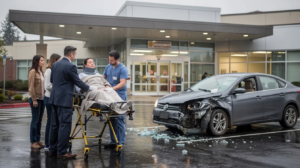
Just what should you do when you arrive at Providence Regional Medical Center after a collision? First, seek emergency evaluation immediately. Do not assume you are fine because you can walk, talk, or remember the accident. In the moments after a crash, adrenaline can mask pain, and some injuries develop over hours or days. Emergency care creates an official record tying your injury, symptoms, and treatment to the date and time of the car crash.
When you speak with triage staff, explain the crash details clearly and calmly. Tell them whether the collision involved a rear-end impact, T-bone crash, rollover, head-on impact, pedestrian strike, bicycle impact, airbag deployment, loss of consciousness, seat belt force, broken glass, or vehicle intrusion. Mention pain locations even if they seem minor: headache, neck pain, back pain, shoulder pain, dizziness, nausea, numbness, tingling, abdominal pain, chest pain, emotional distress, or confusion. These details help medical care teams evaluate risk and help create medical records that later clarify what happened.
Before leaving the hospital, keep every piece of discharge paperwork. Save visit summaries, medication lists, work restrictions, referral instructions, imaging orders, physical therapy recommendations, follow-up appointment instructions, and return precautions. If your pain worsens, if you develop new symptoms, or if you miss work because of the injury, those discharge documents may become key factors in showing that you followed medical advice and did not delay medical care.
Immediate Steps To Protect Your Personal Injury Claim
If your health and safety allow, document the scene before vehicles are moved. Take photos and videos of vehicle positions, property damage, skid marks, broken glass, deployed airbags, damaged guardrails, traffic signals, lane markings, weather conditions, nearby construction, crosswalks, bike lanes, and visible injuries. The first 24 hours are critical because weather changes, debris gets cleared, vehicles are towed, and witnesses leave. Taking precautionary measures early can significantly impact the outcome of injury claims.
Exchange contact and insurance details with the other driver or drivers involved. Get names, phone numbers, addresses, driver’s license information, license plate numbers, vehicle descriptions, the driver’s insurance company, policy information, and the other driver’s insurance details. If two accidents happen in the same location or a chain-reaction crash involves multiple vehicles, separate each driver’s information clearly so the claim does not become confused later.
If police respond, ask for the police report number before leaving. If you cannot safely do this at the scene, ask a family member to help or request the information afterward. Everett Police Department records can include police reports, collision reports, and related materials through the city’s public records process, while Snohomish County also provides guidance on traffic collision reports.
First Responders, Everett Fire, Fire Engines, and What To Expect
After a serious collision in Everett, first responders may include Everett firefighters, Everett fire crews, police officers, EMTs, paramedics, and other emergency responders. Their first job is health and safety. They may stabilize the scene, check for fire risk, help injured people out of vehicles, provide emergency care, evaluate visible trauma, place a cervical collar, control bleeding, or coordinate transport to a local hospital such as Providence Regional Medical Center.
If you are able, record the fire engine unit numbers, ambulance identifiers, and crew names. Do not interfere with emergency care or ask for details while first responders are actively treating people. Instead, wait until it is safe and ask politely whether you can write down the unit number, incident number, or agency name. Fire engines and medic units often become part of the factual timeline, especially when a person was transported from the scene to the hospital.
If you cannot gather this information yourself, ask a trusted family member or friend to do it. Later, an Everett personal injury lawyer may use the incident details to request fire reports, EMS records, dispatch logs, or witness information. These records can support the connection between the accident, emergency response, medical treatment, and the injuries later listed in hospital records.
Medical Records To Request From Providence Regional Medical Center
Medical records are one of the clearest ways to connect injuries to a crash. Providence’s Washington medical records page explains that patients can request copies of records from Providence facilities in Washington, including Providence Regional Medical Center Everett. For injury claims, these records can help establish the factual timeline of symptoms, diagnosis, treatment, restrictions, referrals, and recovery.
Do not rely only on memory. Ask how to access your MyChart account, how to request complete records, and how to authorize records for a personal injury lawyer if you decide to seek legal help. A comprehensive record can reduce disputes about whether the injury happened in the collision, whether treatment was necessary, and whether the insurance company has a fair view of your medical condition.
A personal injury claim often depends on consistency. If the ER record says neck pain, headache, dizziness, and shoulder pain within hours of the collision, that timeline is stronger than a vague complaint made weeks later. Without immediate medical documentation, insurance adjusters may argue that injuries are not serious, were not caused by the accident, or happened somewhere else.
Essential Records To Obtain
Request ER triage notes and physician evaluations. Triage notes often show arrival time, pain level, vital signs, mechanism of injury, visible symptoms, and the reason emergency care was needed. Physician evaluations may include exam findings, diagnosis, treatment plan, medications, restrictions, and instructions for follow-up care.
Obtain imaging reports and, when appropriate, radiology films. Imaging may include X-rays, CT scans, MRI referrals, ultrasound, or other studies ordered because of the collision. Written reports matter, but radiology images can also be important if later medical providers, specialists, or attorneys need to review the injury in detail.
Request lab results, written discharge summaries, referral notes, prescription records, and any work restriction forms. If you were told not to lift, drive, stand for long periods, return to work, or perform certain duties, keep that paperwork. It may later help support lost wages, lost income, reduced earning capacity, or proof that you could not safely perform your job.
Billing and Administrative Records To Obtain
Medical bills are separate from medical records. Records explain what treatment was provided, while bills show the cost of that treatment. Request itemized medical bills from Providence Regional Medical Center, including charges, insurance adjustments, patient responsibility, payment history, and dates of service. Itemized billing can help distinguish ER facility charges, physician charges, imaging charges, lab charges, medication charges, and follow-up costs.
Ask for billing codes and dates of service. These administrative details can help attorneys, insurers, and medical billing reviewers understand what care was provided and why it was billed. If your health insurance paid part of the bill, save explanation of benefits documents as well. They can show what was billed, what was adjusted, what was paid, and what remains outstanding.
Ask Providence about any hospital liens, holds, payment plans, or charity care options. Providence states that patients who cannot pay for some or all medical care may be eligible for financial assistance, and its billing support materials explain that a bill may be placed on hold during a financial assistance review.
Documenting Injuries and Medical Bills for Injury Claims
Photograph visible injuries daily for progression. Bruising, swelling, cuts, burns, seat belt marks, airbag abrasions, and mobility limitations may look different on day one, day three, and day seven. Use consistent lighting and avoid filters. These photos should not replace medical treatment, but they can support the medical records by showing how the injury developed over time.
Keep a log of pain, symptoms, treatment dates, and well being. Include headaches, sleep disruption, dizziness, numbness, back pain, neck pain, anxiety while riding in a car, emotional distress, medication side effects, missed family duties, and tasks you can no longer do. Keep it factual and brief. A good log can help answer questions months later when memory becomes less reliable.
Save all receipts related to medical expenses and recovery costs. This includes prescriptions, over-the-counter medication, braces, crutches, transportation to appointments, parking, physical therapy copays, urgent care visits, specialist visits, and home support needs. Also compile wage loss documentation and employer notes showing missed shifts, reduced hours, missed work, lost wages, lost income, or use of sick leave because of the accident.
Handling the Insurance Company After the Crash
Insurance adjusters often contact injured people shortly after a collision. The call may sound routine, but it can affect the claim. Give only basic contact details, insurance policy information, vehicle location, and general crash information. Do not guess about speed, distances, injuries, fault, or long-term recovery. It is acceptable to say that you are still receiving medical treatment and do not yet know the full extent of your injuries.
Politely decline recorded statements until cleared by doctors and until you have had a chance to understand your legal rights. Recorded statements can later be used to challenge your claim, especially if you said you were “okay” before symptoms fully developed. This does not mean you should be rude or uncooperative. It means you should protect yourself from making incomplete statements during a medically stressful period.
Notify your own auto insurer promptly about the collision. Many policies require timely notice, even when the other driver appears mostly responsible. Your insurer may need to address property damage, PIP or MedPay benefits if available, uninsured or underinsured motorist coverage, rental coverage, or coordination with the other driver’s insurance. Washington’s Office of the Insurance Commissioner provides general consumer information about auto insurance claims and policy processes.
When To Contact a Personal Injury Attorney or Personal Injury Lawyer
Contact an Everett car accident attorney if injuries are significant, if you were transported by ambulance, if you received emergency care, if you may miss work, if fault is disputed, if more than one driver was involved, if a commercial vehicle was involved, if the other driver’s insurance company is pressuring you, or if medical costs are rising. A personal injury lawyer can help preserve evidence immediately and reduce the risk of preventable claim mistakes.
Early legal help from an Everett car accident attorney can be especially important when video footage, witness statements, vehicle damage photos, dispatch records, or first responder reports may disappear. If a commercial truck was involved, additional evidence may also need to be preserved. An attorney can send preservation letters, identify insurance coverage, request records, track deadlines, and help you understand whether a settlement offer reflects the full injury picture.
Consult an attorney before signing any settlement documents. A release may close the claim permanently, even if symptoms worsen later. Brumley Law Firm reports more than 30 years of combined legal experience and experience handling personal injury matters, including cases resolved through settlement and trial preparation. Every case depends on its own facts, evidence, insurance coverage, and applicable law, and prior results do not guarantee a similar outcome.
Managing Medical Bills While Your Claim Is Pending
Medical bills often arrive before a claim resolves. Ask Providence Regional about payment plans and charity care if you cannot pay the balance immediately. Do not ignore bills, collection notices, or health insurance forms. A pending injury claim does not automatically stop providers from billing, and waiting too long may create avoidable financial stress.
Use health insurance for urgent bills when available to reduce the risk of collections. Some injured people worry that using health insurance will hurt their personal injury claim, but in many cases it can help keep treatment moving while attorneys later address reimbursement, subrogation, liens, or settlement accounting. The best approach can vary based on policy language, provider billing practices, and the specific claim.
Ask your attorney about medical lien negotiation options. A lawyer cannot promise that every bill will be reduced, but attorneys may be able to review balances, coordinate with medical providers, confirm whether billing is accurate, and discuss payment timing. The goal is to protect the client’s health, claim value, and financial stability while the case is pending.
How Injury Claims Progress After the Initial 24 Hours
After the first 24 hours, the claim usually develops through medical treatment, evidence gathering, insurance review, and damage documentation. Medical records link the collision to the injury. Billing records show medical costs. Employer records show lost wages. Photos show property damage and visible injuries. Witness statements help clarify what happened. Together, these materials help establish why compensation may be appropriate.
Washington follows a fault-based approach for injury claims, which means proving negligence is essential. In practical terms, the injured person must show that another person or entity acted carelessly, that the conduct caused the accident, and that the accident caused damages. Washington’s comparative fault statute provides that a claimant’s compensatory damages may be reduced in proportion to contributory fault, but contributory fault does not automatically bar recovery.
Typical timelines vary based on the severity of injury, length of treatment, insurance disputes, and whether liability is clear. In many cases, attorneys wait until the client reaches maximum medical improvement or has a clearer prognosis before sending a demand package. A demand package may include liability evidence, medical records, medical bills, lost income proof, pain documentation, and a settlement demand to the insurance company.
Coordination With Everett Agencies and First Responders
Obtain the police report and officer contact information when available. Police reports can identify drivers, passengers, witnesses, insurance details, statements, diagrams, citations, and the investigating agency. The City of Everett notes that police department records may include collision reports, while Snohomish County provides traffic collision report resources for crashes handled through county channels.
Request an Everett Fire incident report when applicable. If Everett fire crews responded, their records may document dispatch time, arrival time, patient condition, extrication, hazards, transport decisions, and emergency responders at the scene. Snohomish County’s public records resources also identify fire incident reports as a record type available through applicable request processes.
Collect witness contact information at the scene if possible. Witnesses may include other drivers, pedestrians, nearby residents, business employees, passengers, delivery drivers, or community members who saw the accident. A witness who remembers vehicle speed, traffic signal color, lane position, or driver behavior can help protect the injured person from unfair assumptions about fault.
Washington Legal Deadlines and Why the Clock Still Matters
In Washington, the statute of limitations for filing a personal injury claim is typically three years from the date of the accident. This rule is often discussed under RCW 4.16.080, which applies a three-year period to actions involving injury to the person or rights of another. Filing deadlines are not the same as insurance deadlines, medical billing deadlines, or provider paperwork deadlines.
If a personal injury claim is not filed within the three-year window, the right to seek compensation is generally lost, regardless of the strength of the case. That is why the first 24 hours and the three-year deadline should be understood together. Day one is about health, documentation, and preservation. The filing deadline is about protecting the right to bring a lawsuit if the claim cannot be resolved.
Washington Courts explains that civil cases include disputes involving personal injuries, which helps clarify that a car accident injury claim is a civil matter rather than a criminal prosecution. The Washington State Bar Association also provides public resources for finding legal help in Washington state, although it does not provide private legal advice or referrals itself.
Common Pitfalls To Avoid in the First 24 Hours
Avoid admitting fault or apologizing at the scene. It is natural to feel shaken or sympathetic after a collision, but statements such as “I am sorry” can be misunderstood later as an admission. Instead, check whether others are safe, cooperate with emergency responders, provide required information, and let the investigation determine what happened.
Avoid posting accident details on social media. Photos, comments, jokes, check-ins, or updates can be taken out of context by an insurance company. Even private posts may become an issue later. It is safer to update close family directly and keep public statements minimal while medical care and claim evaluation are ongoing.
Avoid delaying medical treatment for apparent minor injuries. A delay can increase health risk and weaken a claim by allowing the other driver’s insurance company to argue that the injury was not serious or was unrelated. Getting checked by a doctor, urgent care clinic, or hospital creates an official record that can be difficult to dispute later.
24-Hour Checklist for Injured Clients
Use this checklist as a practical guide after an Everett collision:
- Call 911 if anyone is hurt, unsafe, trapped, or blocking traffic.
- Accept emergency care from first responders when needed.
- Tell triage staff at Providence Regional Medical Center exactly how the crash happened.
- Describe every symptom, even if it feels minor.
- Keep all discharge paperwork, prescriptions, referrals, and work restrictions.
- Photograph vehicle damage, injuries, road conditions, traffic signals, debris, and property damage.
- Exchange contact and insurance information with every involved driver.
- Get the police report number, officer name, and agency name if available.
- Record Everett fire unit numbers, fire engines, ambulance details, and crew names if safe.
- Save medical records, medical bills, receipts, mileage, parking costs, and pharmacy expenses.
- Start a daily pain, symptom, treatment, and well being log.
- Notify your own insurer promptly.
- Do not give recorded statements to insurance adjusters until you understand your medical condition and legal rights.
- Avoid signing settlement releases during the early stages.
- Contact a personal injury attorney if injuries, bills, missed work, fault disputes, or claim pressure become serious.
FAQs About Providence Regional, Insurance, and Everett Injury Claims
Why does Providence Regional Medical Center matter after an Everett car crash?
Providence Regional Medical Center is a major local hospital serving Everett and Snohomish County. Because it is the only Level II adult trauma center in Snohomish County, it is often central to emergency care after serious injuries, and its records may become key evidence in a personal injury claim.
Should I go to the hospital if I feel fine?
Yes, it is often wise to be checked after a crash, especially if there was a hard impact, airbag deployment, head injury, neck pain, back pain, dizziness, numbness, or any concerning symptom. Adrenaline can hide pain, and early medical documentation helps connect injuries to the accident.
What if I cannot pay my medical bills right away?
Ask Providence about payment plans, charity care, and financial assistance. Use health insurance when available, save every bill and explanation of benefits, and ask a personal injury lawyer whether lien review or negotiation may be appropriate.
Can the insurance company use my words against me?
Yes, recorded statements can be used later to question fault, injury severity, treatment gaps, or consistency. Provide basic information, but avoid guessing, minimizing symptoms, or giving a recorded statement before you understand your condition.
What if I was partly at fault?
Washington’s comparative fault system may still allow recovery, but compensation can be reduced by the percentage of fault assigned to the injured person. Evidence from the first 24 hours can help make sure the facts are evaluated more fairly.
Does this advice apply outside Everett?
This guide is focused on Everett, Providence Regional Medical Center, Everett fire, and Snohomish County. However, many first-day evidence and medical documentation principles can also help people injured elsewhere in Washington, from Seattle to Federal Way.
Next Steps: Protect Your Health, Records, and Legal Rights
The first 24 hours after a collision can shape the rest of the recovery process. Seek medical care, preserve evidence, save records, document medical costs, track lost wages, and be careful with the insurance company. These steps can help injured people protect their health, understand their legal rights, and pursue fair compensation when another person’s negligence contributed to the accident.
Brumley Law Firm supports Everett residents and injured community members with a client-focused approach, compassionate legal advocacy, and comprehensive preparation for settlement and trial. The firm’s attorneys can answer questions, review medical records, communicate with insurers, evaluate fault and damages, and help clients pursue a claim based on the facts, evidence, insurance coverage, and applicable Washington law.
For general information about Washington personal injury claims after an Everett crash, you may contact a personal injury attorney to discuss whether legal guidance may be appropriate for your situation. Getting guidance early can help protect your claim, reduce confusion, and give you a clear path forward while you focus on recovery.
You may contact Brumley Law Firm at (833) 740-2275 to request a consultation. Contacting the firm does not create an attorney-client relationship, and you should not send confidential information until the firm confirms it can represent you and a written agreement is signed.