

Rideshare vs. Self-Driving: Your Personal Injury Lawyer Seattle Tech Guide
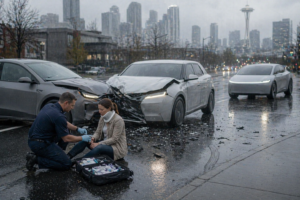
Rideshare vs. Self-Driving: Your Personal Injury Lawyer Seattle Tech Guide
Defining the Guide’s Purpose for Seattle Rideshare and Autonomous Vehicle Victims
This guide is designed to help Seattle-area accident victims understand how emerging transportation technologies affect a personal injury claim after a crash. Whether you were injured in an Uber or Lyft accident, a collision involving a self driving car, or another accident involving advanced driver systems, the legal process has changed.
Modern crashes are no longer just about eyewitness accounts or traffic signs. Today, autonomous vehicle technology, app data, and digital records play a central role in determining liability. For accident victims, this shift can directly impact how they seek compensation, prove accident liability, and protect their legal rights.
Why Technology Evidence Changes Accident Liability Analysis
In a traditional car accident, fault is often based on driver negligence. In contrast, a rideshare accident or self driving crash may involve:
- App-based trip data from an Uber or Lyft driver
- Vehicle telematics and software logs
- Decisions made by AI systems rather than human drivers
This means liability may extend beyond the driver to a rideshare company, a vehicle manufacturer, or even software developers. In many cases, proving fault requires technical evidence rather than just testimony.
Why This Matters in Seattle’s Legal Landscape
Seattle reflects broader changes across Washington State, where transportation laws continue to evolve.
- Under Washington State Department of Transportation, testing of autonomous vehicles must meet strict safety and reporting standards
- The Seattle Department of Transportation monitors local transportation trends and infrastructure impacts
- Rideshare companies like Uber and Lyft operate under state law that requires layered insurance coverage
Washington law also requires that a human operator must be able to take control of an autonomous vehicle in emergencies. Even when a system is engaged, human operators may still be held liable if they fail to intervene when necessary.
These rules shape how personal injury cases are investigated and resolved.
After a Rideshare Accident: Seek Medical Attention and Preserve Evidence
If an accident occurs, your actions in the first few hours can affect your entire legal process.
- Seek medical attention immediately, even if injuries seem minor
- Call 911 and document responders at the accident scene
- Collect contact details from witnesses and drivers involved
- Take photos of vehicles involved, damage, and visible injuries
- Capture app screenshots showing trip status, timestamps, and route
Prompt medical attention not only protects your health but also creates records linking your injuries to the crash. These medical records are critical when pursuing insurance claims and seeking fair compensation.
Determining Liability: Rideshare Drivers, Companies, and Third Parties
In a rideshare accident, multiple parties may share responsibility:
- The rideshare driver
- The rideshare company
- Other drivers or negligent third parties
- Entities responsible for road conditions or vehicle defects
Because Uber and Lyft drivers are typically independent contractors, liability depends heavily on app status at the time of the crash. A detailed investigation is essential before filing a personal injury claim, especially in complex cases such as those requiring a dedicated Seattle truck accident attorney.
Rideshare App Phases and Their Impact on Accident Liability
Driver Logged Off (Private Driving)
If the driver is offline:
- The driver’s personal insurance is primary
- The rideshare company has no responsibility
- Claims proceed like a standard car accident
Driver Logged On But No Ride Accepted
This is the most complex phase.
- Limited contingent liability coverage may apply
- Typical limits include $50,000 per person and $100,000 per accident for bodily injury
- The driver’s personal insurance may deny coverage
This gap often leads to disputes with insurance companies and requires careful legal analysis.
Driver En Route or Transporting Passenger
Once a ride is accepted:
- The rideshare company’s liability insurance policy activates
- Coverage can reach up to $1 million
- Additional protections such as collision coverage may apply
In many cases, rideshare passengers may have access to higher insurance coverage when a ride is active, which can affect how compensation claims are evaluated.
When Autonomous Vehicles or Self Driving Cars Are Involved
Crashes involving a self driving car introduce new legal theories, and understanding who is liable in a self-driving car accident is often more complicated than in traditional collisions.
Potential defendants may include:
- The vehicle manufacturer
- Software developers responsible for AI systems
- Fleet operators managing the vehicle
- Human safety operators
Unlike traditional cases, these incidents often involve product liability claims. The fatal crash involving a self-driving Uber test vehicle in Arizona highlighted how difficult it can be to assign fault when both human oversight and software performance are factors.
Gathering Technical Evidence in Self-Driving and Rideshare Crashes
Strong cases depend on early evidence preservation.
Key evidence may include:
- App trip logs and GPS data
- Vehicle telematics and onboard systems
- Advanced Driver Assistance Systems (ADAS) data
- Internal company communications
Attorneys often send preservation letters to prevent data deletion. In many rideshare accident cases, technical experts are required to interpret complex data logs.
According to the National Highway Traffic Safety Administration (NHTSA), event data recorders and vehicle systems can provide critical insight into speed, braking, and system performance before a crash.
Insurance Coverage and Accident Liability Claims
Understanding layered insurance coverage is essential.
Possible coverage sources include:
- The driver’s personal insurance
- Rideshare company commercial policies
- Personal injury protection (PIP)
- Uninsured/underinsured motorist coverage
- Multiple overlapping insurance policies
The Washington State Office of the Insurance Commissioner explains that rideshare drivers must carry personal insurance while companies provide additional coverage once the app is active.
Navigating these layers can be complex, especially when insurance adjusters attempt to minimize payouts.
Calculating Damages After a Car Accident Involving Rideshare or AV
A successful personal injury claim accounts for both financial and personal losses.
Economic damages may include:
- Medical expenses and ongoing medical treatment
- Lost income and reduced earning capacity
- Property damage to vehicles
Non-economic damages may include:
- Pain and suffering
- Emotional distress
- Loss of enjoyment of life
Future costs, including long-term care, must also be considered when seeking fair compensation.
Choosing an Accident Lawyer with Rideshare and Tech Expertise
Not all personal injury attorneys are equipped for tech-driven cases.
Look for an accident lawyer who:
- Has experience with Uber and Lyft accidents
- Understands autonomous vehicle technology
- Works with technical experts and investigators
- Has handled complex personal injury cases involving multiple parties
Brumley Law Firm has experience handling a range of personal injury cases, including those involving rideshare and emerging vehicle technologies. The firm focuses on providing clear guidance, strong legal representation, and practical support for injured clients.
Litigation, Settlement, and Negotiation Strategies in Tech-Driven Cases
Effective strategy begins early.
- Send preservation letters immediately
- Use expert reports to strengthen negotiation leverage
- File claims within Washington’s statute of limitations
- Pursue product liability claims when appropriate
These steps can significantly affect your ability to recover compensation.
Practical Steps for Victims and Witnesses
To protect your claim:
- Keep all medical records and receipts
- Avoid discussing the case on social media
- Maintain a daily pain and recovery journal
- Share all insurance correspondence with your legal counsel
Consider speaking with an attorney before providing detailed statements to insurance companies, as early communications may affect how your claim is evaluated.
Seattle-Specific Rules and Regulatory Trends for Rideshare Services
Seattle continues to adapt to new transportation technologies.
- Rideshare laws under RCW 46.72B require layered insurance coverage
- Autonomous vehicle testing requires at least $5 million in coverage
- Human operators must remain ready to take control of self-driving systems
Some studies have suggested a potential increase in traffic fatalities associated with rideshare services, though findings vary and continue to be studied. This underscores the importance of accountability and proper regulation in the evolving legal landscape.
FAQ: Rideshare vs Self Driving Liability and Your Legal Rights
Who is liable in a self-driving car accident?
Liability may involve multiple liable parties, including the driver, manufacturer, or software provider. Each case depends on system performance and human oversight.
What rights do rideshare passengers have?
Passengers injured in an active ride often have access to higher liability coverage and may file claims against the rideshare company.
What if a pedestrian is hit?
Pedestrians may file a personal injury claim against any negligent party, including drivers, companies, or manufacturers.
What is the statute of limitations in Washington?
Most personal injury claims must be filed within three years under Washington law.
Contact a Seattle Personal Injury Lawyer
If you or a loved one was injured in a rideshare accident or crash involving a self driving car, getting timely legal guidance can make a difference.
A consultation with a Seattle attorney can help you understand your options, evaluate your case, and plan your next steps.
Bring the following to your initial meeting:
- Police reports and photos of the accident scene
- App screenshots and trip details
- Medical records and billing statements
- Any communication from insurance providers
Preserve all evidence, avoid speaking with insurers alone, and consider reaching out for legal counsel before making decisions about your claim.
You may contact Brumley Law Firm at (833) 740-2275 to request a consultation and learn more about your legal options.