

Truck vs Bike: Why a Kent Motorcycle Accident Lawyer Is Vital in the Valley
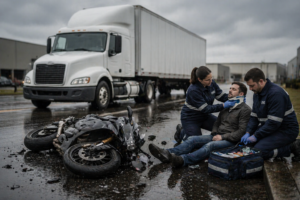
Truck vs Bike: Why a Kent Motorcycle Accident Lawyer Is Vital in the Valley
Quick Look at Truck vs Motorcycle Crash Risks in Kent Valley
Truck versus motorcycle accidents in Kent Valley present some of the most severe outcomes on Washington roads. According to the Washington State Department of Transportation, Washington recorded 1,990 motorcycle crashes in 2019, resulting in 1,538 injuries and 92 fatalities, many involving larger vehicles. National data from the National Highway Traffic Safety Administration consistently shows that collisions with heavy trucks increase the likelihood of serious injuries or death for motorcycle riders due to the extreme size and weight disparity.
In Kent Valley, where commuter traffic, industrial trucking routes, and congested corridors intersect daily, the risks are even more pronounced. This guide explains how these motorcycle accidents happen, what injured riders should do, and why working with a Kent motorcycle accident attorney can help guide you through the process of pursuing compensation.
Overview of Truck vs Bike Motorcycle Accident Risks in the Valley
Truck and motorcycle collisions create a dangerous imbalance. A fully loaded commercial truck can weigh 20 to 30 times more than a motorcycle, making even low-speed impacts devastating.
Why Truck Size and Blind Spots Matter
Commercial trucks have extensive blind spots, often referred to as “no-zones.” These areas make it difficult for drivers to see nearby motorcycle riders, especially during lane changes or turns. When a motorcycle collision occurs in these blind spots, the rider often has little opportunity to avoid impact.
Kent Valley Traffic Patterns Increase Risk
Kent Valley is a major distribution hub. Frequent freight movement combined with heavy commuter traffic creates a high-risk environment. Congested intersections, merging lanes, and stop-and-go traffic increase the chances of a serious accident.
Weather and Road Conditions
Rain, wet pavement, and reduced visibility are common in Western Washington. Slippery roads and poor lighting conditions can contribute to motorcycle accidents, particularly when trucks require longer stopping distances.
Common Causes of Motorcycle Accidents Involving Trucks
Truck versus bike crashes often result from a combination of driver behavior and environmental conditions, and in some situations a negligent driver may even flee the scene, leading to a complex hit and run accident case in Kent.
Left-Turn and Right-Hook Collisions
Left-turn crashes occur when a truck turns across the path of an oncoming motorcycle. Right-hook collisions happen when a truck turns right while a motorcycle continues straight. Both scenarios are common in Kent intersections.
Driver Distraction and Fatigue
Truck drivers face long hours on the road. Fatigue and distraction, including mobile device use, can delay reaction times and increase crash risk. Distracted driving remains a leading factor in many motor vehicle accident cases.
Road Hazards and Debris
Loose cargo, road debris, and uneven pavement can destabilize motorcycles. While a truck may absorb these hazards, motorcycles are far more vulnerable to loss of control.
Determining Fault for Motorcycle Accident Claims
Establishing liability is central to any personal injury claim involving a motorcycle crash.
What Negligence Means in Truck vs Bike Cases
Negligence occurs when a driver fails to act with reasonable care. In truck accidents, this may involve:
- Ignoring traffic laws
- Driving under the influence
- Failing to maintain the vehicle
- Violating federal hours-of-service regulations
Evidence Needed to Support a Claim
Strong motorcycle accident claims rely on:
- Police reports and accident report documentation
- Witness statements
- Traffic camera footage
- Black box data from commercial trucks
- Maintenance logs and driver records
An experienced attorney may also send preservation notices to prevent the loss of critical evidence.
Washington Comparative Fault Rules
Under Washington law, compensation may be reduced if a rider shares responsibility. Even if partially at fault, accident victims can still recover damages, though the amount may be adjusted based on their percentage of fault.
Immediate Steps After a Truck vs Bike Motorcycle Accident
What you do immediately after a crash happened can significantly affect your legal rights.
Call 911 Immediately
Always contact emergency services. Police documentation from the Kent Police Department can play an important role in later legal claims.
Preserve the Accident Scene
Take photos and videos of:
- Vehicle positions
- Road conditions
- Injuries sustained
- Property damage
This visual evidence can support your motorcycle accident case.
Collect Witness Information
Gather names and contact details from anyone who saw the accident occurs. Witness statements can help establish how the crash happened.
Documenting Motorcycle Accident Injuries and Medical Treatment
Prompt medical attention is essential, even if injuries seem minor.
Seek Immediate Medical Care
Motorcycle accident injuries are often severe. Common injuries include:
- Broken bones
- Road rash
- Internal injuries
- Traumatic brain injuries
- Spinal cord injuries
Some conditions may not appear right away, making early evaluation critical.
Maintain Complete Medical Records
Obtain documentation from all medical providers, including:
- Emergency room visits
- Diagnostic imaging results
- Treatment plans
- Physical therapy notes
These records are key to proving medical expenses and ongoing care needs.
Track Ongoing Treatment
Keep a detailed log of appointments, medications, and recovery progress. This helps demonstrate the full impact of injuries sustained.
Spinal Cord Injuries and Catastrophic Motorcycle Accident Injuries
Truck collisions often result in life-changing injuries.
Warning Signs of Spinal Cord Injury
Symptoms may include:
- Loss of sensation
- Difficulty moving limbs
- Severe back or neck pain
These require immediate specialized medical care.
Long-Term Impact
Spinal cord injuries can lead to permanent disability and require lifelong support, including rehabilitation and assistive devices.
Importance of Documentation
Detailed documentation of treatment, therapy, and future costs is essential when pursuing full compensation.
Building a Strong Motorcycle Accident Claim in Kent Valley
A well-prepared case relies on thorough investigation and documentation.
Gather Key Evidence
This includes:
- Police reports
- Traffic camera footage
- Helmet and safety gear preservation
- Accident reconstruction expert analysis
Use Expert Testimony
Accident reconstruction experts can help explain how the collision occurred and identify responsible parties.
Create a Medical Timeline
A chronological record of injuries, treatment, and recovery strengthens your claim.
The Legal Process for Motorcycle Accident Claims
Understanding the legal process helps set expectations.
Timeline From Claim to Settlement
Most cases begin with a demand to insurance companies. Negotiations follow, and if no resolution is reached, litigation may begin.
Filing Deadlines
Under Washington State Legislature RCW 4.16.080, most personal injury cases must be filed within three years.
Discovery Phase
During discovery, both sides exchange evidence, take depositions, and prepare for trial.
Role and Duties of a Motorcycle Accident Lawyer
Legal representation plays a central role in protecting accident victims, and working with an experienced Kent personal injury attorney can help ensure your rights are fully protected.
Investigating Liability
Attorneys gather evidence, review medical records, and analyze crash data to build a strong case.
Preserving Evidence
Lawyers act quickly to secure trucking logs, black box data, and surveillance footage.
Trial Preparation
If necessary, attorneys prepare cases for court, including expert testimony and legal arguments.
Handling Insurance Claims and Insurance Negotiations
Dealing with insurance companies can be challenging.
Notify Insurers Carefully
Report the accident promptly but avoid admitting fault.
Prepare a Strong Demand
Include:
- Medical bills
- Lost wages
- Documentation of injuries
- Evidence of liability
Respond to Low Offers
Insurance companies may attempt to minimize payouts. A lawyer can assist in reviewing these offers and communicating on your behalf during the negotiation process.
Calculating Damages: Lost Wages, Medical Bills, and More
Motorcycle accident victims may be entitled to both economic and non-economic damages.
Economic Damages
- Medical costs and future expenses
- Lost wages and reduced earning capacity
- Property damage
Non-Economic Damages
- Pain and suffering
- Emotional trauma
- Loss of quality of life
Severe injuries can result in significant long-term financial impact.
Safety Gear, Prevention, and Rider Best Practices
Reducing risk starts with proper safety measures.
Helmet and Legal Requirements
Washington law requires DOT-compliant helmets for all riders, and riders should also understand key motorcycle laws in Washington State. This reduces the risk of traumatic brain injuries.
Protective Gear
Armored jackets, gloves, and boots provide additional protection in a serious accident.
Motorcycle Maintenance
Regular inspections of brakes, tires, and lights improve safety and visibility.
Why a Kent Motorcycle Accident Lawyer Is Vital in the Valley
Truck accident cases are more complex than standard motorcycle accidents.
Local Knowledge Matters
A Kent motorcycle accident attorney may be familiar with local traffic patterns, courts, and insurance practices.
Access to Experts
Lawyers work with medical providers and accident reconstruction experts to strengthen claims.
Compensation Based on the Facts of Your Case
Attorneys help identify potential damages, including future costs, and advocate on your behalf throughout the legal process.
Contingency Fee Structure
Most firms work on a contingency basis, meaning no upfront fees for clients; you typically pay a percentage of any recovery, as explained in our guide on how much a personal injury lawyer costs.
Brumley Law Firm has over 30 years of combined experience and provides client-focused representation, including handling cases through trial when appropriate.
FAQs and Timeline Expectations for Motorcycle Accident Claims
How Long Does a Claim Take?
Some cases resolve in months, while others may take longer depending on complexity.
Should You Accept a Settlement?
It depends on whether the offer reflects full compensation for injuries and losses.
What If You Are Partially at Fault?
Washington’s comparative system allows recovery even if you share fault, though compensation may be reduced.
Contact Steps: Engage a Local Motorcycle Accident Lawyer
If you or a loved one has been injured in a truck versus bike accident in Kent Valley, taking prompt legal action can help protect your rights.
Schedule a free initial consultation to discuss your situation, and potential legal options and bring:
- Medical records
- Photos from the accident scene
- Police reports
- Insurance information
A knowledgeable legal team can review your situation, explain your options, and assist you in understanding the next steps after a serious motorcycle accident, and resources from the Washington State Bar Association (WSBA) can also help you better understand your legal rights when seeking legal representation.
You may contact Brumley Law Firm at (833) 740-2275.