
What To Do After A Minor Car Accident In Washington State
What To Do After A Minor Car Accident In Washington State
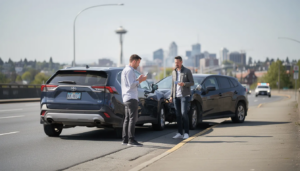
A minor car accident can feel overwhelming, even when it looks like a simple fender bender in a parking lot. This guide explains what to do after minor car accident situations so you can prioritize safety, protect your rights, and properly document the incident. Even low speed car crashes can lead to hidden injuries, unexpected vehicle damage, and disputes with an insurance company.
At Brumley Law Firm, we represent individuals involved in car accident claims throughout Washington. The steps you take immediately after a crash can significantly impact your insurance claim and any future legal issues.
Immediately At The Accident Scene: Check For Injuries And Use Hazard Lights
The first priority after any accident is safety. Stay calm and check yourself for injuries right away. Even in a minor accident, adrenaline can mask pain.
If you or anyone else appears injured, call 911 immediately. If you are unable to call, ask someone nearby to contact emergency services. Confirm the well being of your passengers before doing anything else.
Turn on your hazard lights to alert traffic and reduce the risk of further accidents. If possible and safe, move your vehicle to the shoulder or a safe area away from traffic. Washington law generally requires drivers involved in a collision to move vehicles out of traffic when it is safe to do so.
If the crash occurred in a parking lot or involved only minor vehicle damage, the cars are often still drivable and airbags typically do not deploy. Even so, you should still treat the situation seriously.
Secure And Document The Accident Scene
Once safety is addressed, begin documenting the scene. Taking pictures is one of the most important steps you can take.
Take photos of:
- Vehicle damage from multiple angles
- License plates of all vehicles involved
- The surrounding area, traffic signs, and road conditions
- Skid marks or debris
- Any visible injuries
Use your phone to capture clear, well lit images. Document the time, date, location, weather conditions, and how the crash occurred. These details may help determine fault later.
If there are witnesses, ask for their names and phone numbers. Their statements can serve as valuable evidence if the other driver changes their version of events.
Documenting the accident scene thoroughly can protect you if disputes arise about legal liability.
Exchange Information And Collect Insurance Details
Exchanging information with the other driver is legally required after most collisions. You should exchange contact and insurance information with all parties involved.
Gather the following:
- Full name and address
- Phone number
- Driver’s license number
- License plate number
- Vehicle make and model
- Insurance company name and policy number
Photograph the other driver’s driver’s license and insurance card if possible. Also provide your own insurance information.
Avoid discussing fault at the scene. Do not admit fault or apologize in a way that could be interpreted as accepting responsibility. Simply exchange info and focus on facts.
File An Accident Report And Notify Authorities
Filing a police report after a minor car accident creates an official record of what happened. A police report provides a neutral, third party account that can support your insurance claim.
If police respond, ask for the report number before leaving the scene. Keep a copy of the accident report for your records.
In Washington, if police do not attend the scene and damages appear to exceed $1,000, you must file a Collision Report within four days through the Washington State Patrol. This requirement applies even to a minor car accident if there is significant vehicle damage.
Failing to file a report when legally required can lead to out of pocket costs and complications with your claim. Without a police report, it may become your word against the other driver.
For general crash reporting guidance, the National Highway Traffic Safety Administration provides helpful information about accident documentation and traffic safety.
Notify Your Insurance Company And Start The Claims Process
You should notify your insurance company as soon as possible after the accident. Most policies require timely reporting, even if you were not at fault.
Contact your insurer by phone, mobile app, or online portal. Provide basic facts, photos, and the police report number if available. Record your claim number and the name of the insurance adjuster handling your case.
Timely reporting helps prevent delays in the claims process. Waiting too long could jeopardize coverage or create unnecessary disputes.
What To Expect In The Claims Process
After you file your insurance claim, insurance adjusters will review the evidence. They may inspect the vehicle, request additional photos, and obtain repair estimates.
In many minor accident cases, the insurance company will evaluate vehicle damage and issue payment for repairs. If liability is disputed, the insurer may investigate further to determine fault.
Keep copies of all communications, repair estimates, rental car invoices, and medical bills. Staying organized can protect your interests throughout the claim.
If injuries are involved, the claims process may take longer. Medical documentation becomes critical in these cases.
Monitor For Hidden Injuries And Follow Up Medical Care
Even if you feel fine immediately after a crash, seek medical attention. Some injuries, such as whiplash, may not appear for days.
According to the Centers for Disease Control and Prevention, motor vehicle injuries can produce delayed symptoms. Hidden injuries can worsen without prompt evaluation.
Document all medical visits, symptoms, and treatment dates. Keep copies of bills and provider notes. Even minor car accident injuries can result in significant medical costs.
Your health should always come first. Protecting your well being also protects your claim.
When To Seek Legal Help: Car Accident Attorney Guidance
Not every minor accident requires legal help. However, you should consider contacting a car accident attorney if:
- The other driver disputes fault
- The insurance company denies or delays your claim
- You suffered injuries
- Medical bills increase unexpectedly
- You are unsure about your legal liability
A Seattle car accident lawyer can explain Washington law, help preserve evidence, and guide you through complex disputes.
Preserving documentation before consulting an attorney can strengthen your position.
Common Mistakes To Avoid After A Car Accident
Many people make common mistakes that can harm their claim.
Do not:
- Admit fault or speculate about who caused the crash
- Delay reporting the accident to your insurer
- Accept cash settlements without documentation
- Leave the scene without exchanging insurance info
- Fail to document vehicle damage
Avoid discussing fault beyond basic facts. Even a casual apology may be misinterpreted.
Failing to file a police report can also create serious complications if injuries or damage become more severe later.
After The Claim: Repairs, Records, And Next Steps
Once your insurance claim is resolved, keep all documentation. Maintain copies of repair invoices, rental car receipts, and medical records.
Verify that repairs meet industry standards. Modern vehicles often exceed $1,000 in damage with even slight bumper impact.
If additional injuries arise or medical treatment continues, notify your insurer promptly.
Keeping thorough records protects you long after the collision.
Summary Checklist: What To Do After A Minor Car Accident
Immediately:
- Stay calm and prioritize safety
- Check for injuries
- Call 911 if anyone appears injured
- Turn on hazard lights
- Move vehicles if safe
At The Scene:
- Take photos of vehicle damage and surroundings
- Exchange contact and insurance information
- Collect driver’s license and insurance details
- Obtain witness contact information
After Leaving:
- File a police report or Washington State Patrol collision report if required
- Notify your insurance company
- Keep all documentation
- Seek medical evaluation
- Monitor for hidden injuries
Frequently Asked Questions
What is the first thing you should do if you are involved in a minor accident?
The first step is to prioritize safety. Check for injuries and call emergency services if anyone appears injured. Turn on hazard lights and move vehicles out of traffic if it is safe.
Is it worth claiming for minor damage?
Yes. Even minor vehicle damage can exceed $1,000 in repair costs. Filing an insurance claim protects you from unexpected expenses and creates documentation if problems arise later.
How much does a minor accident affect car value?
Even a minor car collision can reduce resale value. Proper repairs and documentation can help minimize long term financial impact.
What is the proper action to take after a minor traffic accident?
Document the scene, exchange information, file an accident report if required, notify your insurance company, and seek medical attention if needed. Avoid admitting fault and keep organized records.
Final Thoughts
A minor accident may seem small at first, but the steps you take immediately after a crash can protect your health, finances, and legal rights. Proper documentation, timely reporting, and attention to medical care can significantly affect the outcome of your claim.
If questions arise or disputes develop, speaking with a car accident attorney can provide clarity about your options under Washington law. Brumley Law Firm is available to discuss your situation. You may contact our office at (833) 740-2275 to schedule an initial consultation. Contacting our office does not create an attorney-client relationship until a written agreement is signed.