

Washington Law on Car Seats: Child Restraint, Booster Seat, and Safety Guide
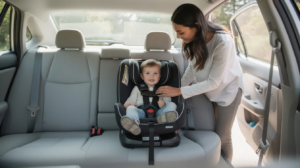
Washington Law on Car Seats: Child Restraint, Booster Seat, and Safety Guide
Understanding the Purpose of This Guide
This guide explains Washington law on car seats for parents, caregivers, and anyone responsible for a child riding in a motor vehicle. The focus is on Washington State laws and practical safety guidance to help ensure every child is properly secured for the entire trip.
Car crashes remain a leading cause of injury for children. Following the correct child restraint system rules is not just about compliance. It is about reducing risk and improving outcomes in car accidents through proper child safety restraints and car seat safety practices.
Overview of Washington Car Seat Law and Child Restraint Law
Under RCW 46.61.687, Washington State laws require that children use an approved child restraint device based on their age, height, and weight.
According to the Washington State Legislature, the law outlines clear thresholds:
- Children up to 2 years of age must ride in a rear facing car seat until they reach the maximum height or weight limit set by the child restraint manufacturer
- Children ages 2 to 4 years must use a forward facing car seat with a seat with a harness
- Children who outgrow a forward facing seat must use a booster seat until they reach 4’9″ (57 inches)
- Children over 4’9″ must use a properly fitted seat belt
- Children under 13 years of age should ride in the back seat whenever possible
Failing to follow this car seat law can result in a $136 fine, with higher penalties possible for repeat violations.
For a full breakdown, the Washington Traffic Safety Commission (WTSC) provides a helpful overview of child restraint law compliance and enforcement.
Stage-by-Stage Child Restraint Requirements
Child safety restraints vary by growth stage. National guidance from the National Highway Traffic Safety Administration (NHTSA) and the American Academy of Pediatrics (AAP) supports a step-by-step approach that aligns with Washington law.
Rear-Facing Car Seat Requirements
A rear facing seat offers the best protection for a child’s head, neck, and spine.
- Required for children up to age 2 under Washington law
- Recommended to ride rear facing as long as possible, ideally until age 4 or until reaching the seat’s highest weight or height limit
- Follow all manufacturer’s instructions carefully
Key installation checks:
- Ensure the child’s car seat is installed correctly using LATCH or a vehicle seat belt
- Confirm the harness is securely fastened and snug against the child’s body
- Position the seat in the back seat, ideally in the center passenger seating position
Forward-Facing Car Seats and Harness Use
Once a child outgrows a rear facing car seat, they transition to a forward facing seat with a harness.
- Typically for ages 2 to 4 years of age
- Must include a seat with a harness for added protection
- Follow the seat’s weight limits and seat’s height requirements
Best practices:
- Use the top tether to reduce forward movement
- Keep the child in a harness as long as possible, often up to 65 lbs depending on the seat
- Ensure the harness straps are at or above shoulder level
Booster Seat Requirements and Transition
A booster seat is required once a child outgrows a forward facing car seat.
- Required until the child reaches 4’9″ in height
- Typically used between ages 4 and 8, though many older children need it longer
The goal is to position the lap and shoulder belt correctly:
- The lap belt should sit low across the upper thighs, not the stomach
- The shoulder belt should cross the mid shoulder, not the neck
Following proper booster seat recommendations helps ensure the seat belt properly protects the child in a crash.
When a Child Is Ready for a Seat Belt
A child is considered child ready for a seat belt when they pass the 5-Step Test:
- The child sits all the way back against the vehicle seat
- Knees bend naturally at the seat edge
- The lap belt stays low on the thighs
- The shoulder belt rests across the shoulder
- The child can stay seated properly for the entire trip
Children must be at least 4’9″ for a properly fitted seat belt, but height and weight matter more than age alone, and compliance with Washington State’s seat belt laws remains essential for all vehicle occupants.
Car Seat Safety: Best Practices and Installation Tips
Even the correct car seat must be used properly to provide optimal protection.
According to the Centers for Disease Control and Prevention (CDC), only about 1 in 4 car seats are installed correctly, which increases injury risk.
Follow these steps:
- Use either LATCH or a vehicle seat belt, not both unless allowed
- Ensure the seat does not move more than one inch side to side
- Tighten the harness so no slack remains
- Check expiration dates and recall notices
- Place the seat in the back seat whenever possible
A child passenger safety technician can help verify that your child safety seat is properly secured.
Booster Seats: Recommendations and Fit Tips
Booster seats come in two main types:
- High-back boosters for vehicles without headrests
- Backless boosters for vehicles with proper shoulder seat belts
Important tips:
- Ensure compatibility with your vehicle’s headrest
- Continue booster use until the child achieves a properly fitted seat belt
- Check belt routing to avoid improper lap and shoulder positioning
Child Passenger Restraint Resources and Car Seat Checks
Parents can access reliable resources to improve child passenger safety:
- NHTSA Car Seat Installation Guide
- AAP Child Passenger Safety Recommendations
- Local inspection stations staffed by certified technicians
These resources help ensure each appropriate child restraint is used correctly and meets child safety standards.
Legal Consequences and Compliance
Violating Washington state laws on child restraints can lead to significant penalties under Washington State’s car seat laws:
- A base fine of $136
- Increased penalties for repeat violations
- Possible scrutiny in insurance or legal claims after car accidents, including issues related to Washington State’s car insurance requirements
More importantly, failing to properly secure a child can increase the risk of serious injury.
Special Situations: Ride Shares, Air Travel, and Used Seats
- Ride in a car through ride-share services still requires a child restraint when applicable
- Airlines allow FAA-approved child safety seats for air travel
- Avoid secondhand seats unless you know the full history and confirm no recalls
Always confirm that any child restraint system meets current safety standards and has not exceeded its lifespan.
Frequently Asked Questions About Washington Car Seats
How long should my child stay rear facing?
Children should remain in a rear facing car seat until they reach the seat’s maximum height or weight limit, ideally beyond age 2 for better protection.
When can my child stop using a booster seat?
When they reach 4’9″ and pass the 5-Step Test for a properly fitted seat belt.
Do children always have to sit in the back seat?
Yes, children under 13 years of age should ride in the back seat whenever possible under Washington law.
Practical Tools for Parents and Caregivers
Quick Installation Checklist:
- Confirm seat type matches child’s height and weight
- Follow manufacturer’s instructions exactly
- Check harness snugness and positioning
- Verify the seat is installed correctly
Simple Reminder for Parents:
- Choose the appropriate child restraint
- Make sure it is securely fastened
- Recheck fit as your child grows
Understanding and following Washington law on car seats helps protect your child’s safety every time they ride in a vehicle.
This information is for general educational purposes and is not legal advice.