

From Impact to Insurance Battles: Inside the World of a Seattle Motorcycle Accident Lawyer
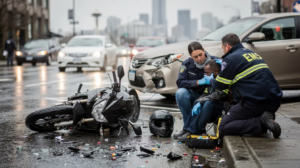
From Impact to Insurance Battles: Inside the World of a Seattle Motorcycle Accident Lawyer
A serious motorcycle accident can turn an ordinary ride into a medical, financial, and legal crisis in seconds. Injured motorcycle riders in Seattle often face not only pain and disruption, but also difficult calls from insurance companies, questions about fault, and uncertainty about how to move forward. This guide is for motorcycle accident victims and families who need clear next steps after a Seattle motorcycle accident.
If you have been searching for a Seattle motorcycle accident lawyer, these claims often move quickly, and early mistakes can make recovery harder. The right response after a motorcycle crash can protect health, preserve evidence, and improve the strength of a Seattle motorcycle accident claim.
Understanding a Motorcycle Accident in Seattle
A Seattle motorcycle accident is different from a typical car accident because a rider has far less physical protection than someone inside a passenger vehicle. Even a moderate collision can cause motorcycle injuries that lead to surgery, time away from work, and long-term complications. Seattle’s frequent rain, slick pavement, bridge surfaces, construction zones, and dense traffic can make motorcycle accidents in Seattle especially complex. The Seattle Department of Transportation notes that severe weather can reduce visibility and create standing water and other road hazards, which can be especially dangerous for a Seattle motorcycle rider.
Motorcycle accidents happen in settings where visibility is already a problem. That is one reason Seattle motorcycle accident cases often require fast evidence preservation and a careful review of what really happened instead of relying on early assumptions.
Causes of Motorcycle Accidents
There are many causes of motorcycle accidents, but several patterns appear again and again in Seattle traffic accidents. Left-turn collisions are among the most dangerous. In national fatal crash data, the National Highway Traffic Safety Administration reported that in 43% of fatal two-vehicle crashes involving a motorcycle and another vehicle, the other vehicle was turning left while the motorcycle was going straight, passing, or overtaking.
That helps explain why most motorcycle accidents involve the driver of a passenger vehicle, not reckless riding. Lane-change collisions can occur when motor vehicle drivers move into an unsafe lane without checking blind spots. Rear-end crashes can happen when traffic compresses and a following driver cannot stop in time. An oncoming motorcycle can also be overlooked by a driver who is rushing through a turn.
Distracted driving is a major factor in Seattle motorcycle crashes. A motor vehicle driver who is texting, checking GPS, or looking away for even a moment may drift, miss a signal, or fail to register a rider’s speed and position. Impaired driving, speeding, road defects, gravel, wet leaves, and poor construction-zone transitions can also contribute. When motorcycle accidents happen, it is common for more than one factor to be involved.
Common Motorcycle Accident Injuries
Motorcycle accident injuries are often serious. Common motorcycle accident injuries include broken bones, road rash, internal injuries, facial trauma, traumatic brain injuries, and spinal cord injuries. Even with good gear, a rider can suffer severe injuries from impact, ejection, or being pinned under a vehicle.
Traumatic brain injuries may happen even when a rider is wearing a helmet. The National Highway Traffic Safety Administration explains that riders should wear a DOT-compliant helmet because it offers important protection in a serious crash, but helmets do not eliminate the risk of brain injury altogether.
Spinal cord injuries can be especially devastating. They may lead to reduced mobility, chronic pain, nerve damage, or paralysis. Other riders suffer catastrophic injuries such as amputations, serious burns, internal organ damage, or severe or catastrophic injuries that require long-term rehabilitation. These are life altering injuries that can create huge medical expenses, future medical expenses, and permanent limits on work and daily life.
Common motorcycle accident injuries also include psychological trauma. Many injury victims experience anxiety, sleep disruption, depression, or post-traumatic stress after a major motorcycle wreck.
What To Do at the Accident Scene
After a motorcycle accident, make safety the priority and call 911 immediately. Seek a comprehensive medical examination within 24 hours because adrenaline can hide symptoms, and early treatment helps connect the injuries to the crash.
If you are physically able, document the accident scene. Take photographs of the motorcycle, every vehicle involved, skid marks, debris, lane markings, traffic lights, weather conditions, road defects, and visible injuries. Get contact information for any witnesses because witness statements can be crucial when there is a dispute over speed, visibility, or right of way.
Do not admit fault, apologize, or guess about how the collision happened. Those comments can be used later by insurance companies. Exchange insurance coverage and contact information, but keep the conversation short. Preserve the motorcycle, helmet, gear, and phone, and do not repair the bike before it has been inspected. If your own insurance company contacts you early, be careful and consider getting legal guidance first, especially if the case may involve personal injury protection, uninsured motorist issues, or underinsured coverage.
How a Motorcycle Accident Lawyer Builds a Claim
A motorcycle accident lawyer usually starts by listening. A first meeting is designed to understand how the crash happened, what treatment has started, what practical problems the client is facing, and what legal goals matter most.
Next comes evidence preservation. A lawyer may send letters requesting that vehicles, video, and electronic data be preserved. The legal team may gather the collision report, photographs, medical records, bills, witness statements, employment records, and policy information. In more serious Seattle motorcycle accident cases, accident reconstruction experts may inspect the motorcycle, helmet, and physical damage.
Video may be overwritten, debris disappears, and memories fade. When a rider hires a lawyer promptly, the legal team can take over insurer communications and reduce the risk that a rushed statement harms the claim.
Investigating the Crash
A legal team may revisit the location, study lane positions, inspect sightlines, and compare vehicle damage with the statements given by the parties. In disputed claims, accident reconstruction experts can help explain what the physical evidence suggests.
Witness accounts can be especially powerful because insurance adjusters sometimes assume a rider was speeding or weaving without proof. A neutral witness may instead confirm that the at fault driver turned suddenly, changed lanes without checking, or simply failed to see the rider. In other cases, surveillance footage, traffic cameras, dispatch logs, 911 calls, and cellphone data can help show whether driver’s negligence or distraction played a role.
Not every case involves only one wrongdoer. A motorcycle accident case may raise questions about other driver’s negligence, road maintenance, dangerous construction practices, a defective part, or the responsibility of a commercial employer. Seattle motorcycle accident attorneys often investigate beyond the first obvious target because more than one party may contribute to the losses, much like in a complex Seattle car accident attorney case where multiple drivers or entities may share responsibility.
Documenting Injuries and Losses
Detailed documentation can make a major difference in a motorcycle accident claim. Medical records connect the crash to diagnoses, treatment, and long-term outlook. Bills, receipts, pharmacy costs, therapy records, and specialist reports help show the financial impact. When injuries are serious, doctors or life-care planners may be needed to estimate future medical expenses, rehabilitation costs, or adaptive equipment.
Income losses also need proof. Lost wages can be supported by pay records, employer letters, tax returns, and medical restrictions. When severe injuries reduce a person’s ability to return to the same work, the claim may also include reduced earning capacity.
Economic damages can include medical expenses, property damage, wage loss, and other measurable losses. Non economic damages may include physical pain, emotional distress, disability, scarring, and loss of enjoyment of life. The value of a Seattle motorcycle accident claim depends on the seriousness of the injuries, the strength of the evidence, the insurance coverage available, and the duration of recovery.
Proving Fault and Multi-Party Liability
Proving fault is about showing how the collision happened and why the other party failed to use reasonable care. In a typical car accident involving a motorcycle, the central issue may be whether the driver failed to yield, changed lanes carelessly, followed too closely, or drove while distracted. When an oncoming motorcycle has the right of way and a passenger vehicle turns left across its path, the facts may point strongly toward the other driver’s carelessness, but evidence still matters.
Insurance companies sometimes focus on rider behavior instead. They may argue that the motorcyclist was speeding, was in an unsafe lane position, or could have avoided the impact. In Washington, lane splitting is unlawful, so insurers may try to use that allegation to reduce the value of a claim.
Some cases involve product defects or dangerous road conditions. Loose gravel, poor signage, abrupt construction changes, and missing roadway maintenance can all matter. A motorcycle accident lawyer may investigate every realistic source of liability because a broader approach can help a client recover compensation from all available sources.
Valuing the Claim
No lawyer can promise maximum compensation or a guaranteed outcome. Still, a motorcycle accident lawyer can work to document the full value of the losses and pursue fair compensation based on evidence. A well-prepared demand package usually includes medical records, bills, wage documentation, photographs, witness statements, and a narrative explaining how the injuries changed the client’s life.
Your motorcycle accident case is worth what it takes to make you as whole as the law allows. In the most serious cases, severe or catastrophic injuries can require a long-term projection of surgeries, therapy, mobility aids, home changes, and supportive care.
This is where a personal injury attorney or personal injury lawyer adds value. Insurers often try to define the case by the cheapest number they think an injured rider might accept. A good legal presentation is designed to show why a fair settlement should reflect both immediate losses and long-term consequences.
Insurance Battles and Common Insurance Tactics
Insurance battles are a defining feature of many Seattle motorcycle accident claim disputes. Insurance companies often carry preconceived notions about motorcycle riders and may treat them as reckless without evidence. Adjusters may assign blame early, challenge medical treatment, or suggest that the rider’s injuries are unrelated to the crash.
Common insurance tactics include delayed responses, repeated requests for the same documents, pressure to give a recorded statement, and low settlement offers before the medical picture is clear. Insurance companies also sometimes use social media surveillance to look for posts or photos they can use against accident victims. For that reason, riders should avoid posting about the collision, their activities, or their recovery while a claim is ongoing.
Another issue arises when the at-fault driver has limited coverage. Then the claim may shift to the rider’s own insurance company under uninsured or underinsured provisions. These cases can still be contentious. A lawyer can interpret policy language, evaluate coverage, and handle communications so the rider is not left guessing about deadlines and offsets, especially when working with a dedicated Seattle motorcycle accident attorney who regularly handles these coverage disputes.
Negotiation and Litigation Strategy
Effective negotiation starts with preparation. The legal team organizes proof of liability, treatment, and loss, then presents the claim in a way that shows the real human and financial impact. A settlement strategy may focus on clear documentation, credible medical support, and the weaknesses in the insurer’s fault arguments.
Sometimes negotiation is enough. Sometimes it is not. If the insurer refuses to make a reasonable offer, filing a personal injury lawsuit may become necessary. Litigation allows the lawyer to use discovery tools, question witnesses under oath, obtain additional evidence, and prepare the case for trial if needed. Trial readiness matters because insurers often evaluate risk based on whether the accident lawyer handling the case appears prepared to prove it in court.
Brumley Law Firm’s approach includes personalized support and contingency-fee representation, whether the case involves a motorcycle collision or another roadway incident handled by a Seattle bicycle accident attorney.
Washington Law and Motorcycle Claims
Washington law shapes every motorcycle accident claim. Under RCW 4.22.005, Washington follows a pure comparative fault rule, meaning a person’s damages can be reduced by their share of fault but recovery is not automatically barred. That means a rider can still recover compensation even if partly responsible for the crash. Riders also benefit from understanding the broader motorcycle laws in Washington State, including licensing, equipment, and safety rules that can affect both safety and liability.
Washington also has a filing deadline. Under RCW 4.16.080, a personal injury lawsuit generally must be filed within three years of the crash date. Waiting can be risky, especially if evidence may disappear or special rules apply.
Helmet and licensing rules matter too. Washington requires riders and passengers to wear approved helmets, and the Washington State Department of Licensing states that you must have a motorcycle permit or endorsement to legally ride in the state. The Washington State Legislature sets the helmet rule, and DOL explains that helmets must be DOT-certified. Helmet use is required, but a helmet issue does not automatically bar compensation in a motorcycle accident claim.
Why Riders Often Hire Seattle Motorcycle Accident Attorneys
Many riders search for a motorcycle accident lawyer because they want help with more than just filing forms. Seattle motorcycle accident attorneys can preserve evidence, manage the claims process, respond to insurance companies, coordinate experts, and explain what Washington law means for a specific case. It can also help turn a confusing injury file into a better-documented personal injury claim for motorcycle accident clients, similar to how a Seattle bus accident attorney might coordinate evidence and expert analysis in a complex transit crash.
Experienced motorcycle accident attorneys also understand how bias affects Seattle motorcycle accident cases. They know how to challenge lowball offers, disputed causation arguments, and unfair assumptions about risk-taking. Some injured riders look for firms with relevant litigation experience or involvement in professional legal organizations.
Brumley Law Firm also offers a free consultation, a free legal consultation, and a free case evaluation so injured riders can ask questions before making decisions. For many motorcycle accident victims, that first conversation is about understanding options, deadlines, and what documents to gather, not pressure.
A Practical Seattle Example
Imagine a rider commuting through Seattle in light rain. Traffic is heavy but moving. As the rider enters an intersection, an SUV turns left across the lane. The rider brakes but cannot avoid impact. The motorcycle hits the side of the SUV, and the rider is thrown to the pavement.
At first, the driver says the rider came out of nowhere. A witness says the SUV simply turned without yielding. Nearby video shows the oncoming motorcycle was visible and moving with traffic. Over the next week, the rider is diagnosed with broken bones, a concussion, and back injuries. The insurer questions treatment and suggests the rider should have avoided the turn. A Seattle motorcycle accident lawyer secures the video, gathers witness statements, preserves the bike for inspection, and organizes the medical proof before settlement talks begin.
Practical Next Steps
If you were hurt in a Seattle motorcycle crash, seek medical attention immediately, follow all medical advice, and attend every appointment. Keep every bill, record, and receipt. Preserve the motorcycle and riding gear. Avoid social media posts about your condition or the collision. Contact a lawyer quickly if the injuries are serious, if the facts are disputed, or if the insurer is already minimizing the claim.
An initial meeting is usually more useful when you bring the collision report number, photos, insurance information, provider names, discharge papers, wage information, and any messages from adjusters. In fatal crashes or cases involving fatal injuries, families should seek legal guidance as soon as possible because the evidence issues can be even more time-sensitive, and an experienced Seattle personal injury lawyer can help coordinate investigations across all types of serious accident claims.
Final Thoughts
Seattle motorcycle accident lawyers do more than pursue paperwork. They investigate how the crash happened, address bias, organize proof, and help injured riders navigate the legal process with less uncertainty. Their experience with serious roadway cases, such as those handled by a Seattle truck accident attorney, also informs how they approach high-impact motorcycle collisions. If you are dealing with a Seattle motorcycle accident and want to understand your options, Brumley Law Firm offers a free case evaluation and contingency-fee representation so you can learn what steps may make sense for your situation. Contact us at (833) 740-2275.