

What Happens If You’re Injured in an Accident in Seattle
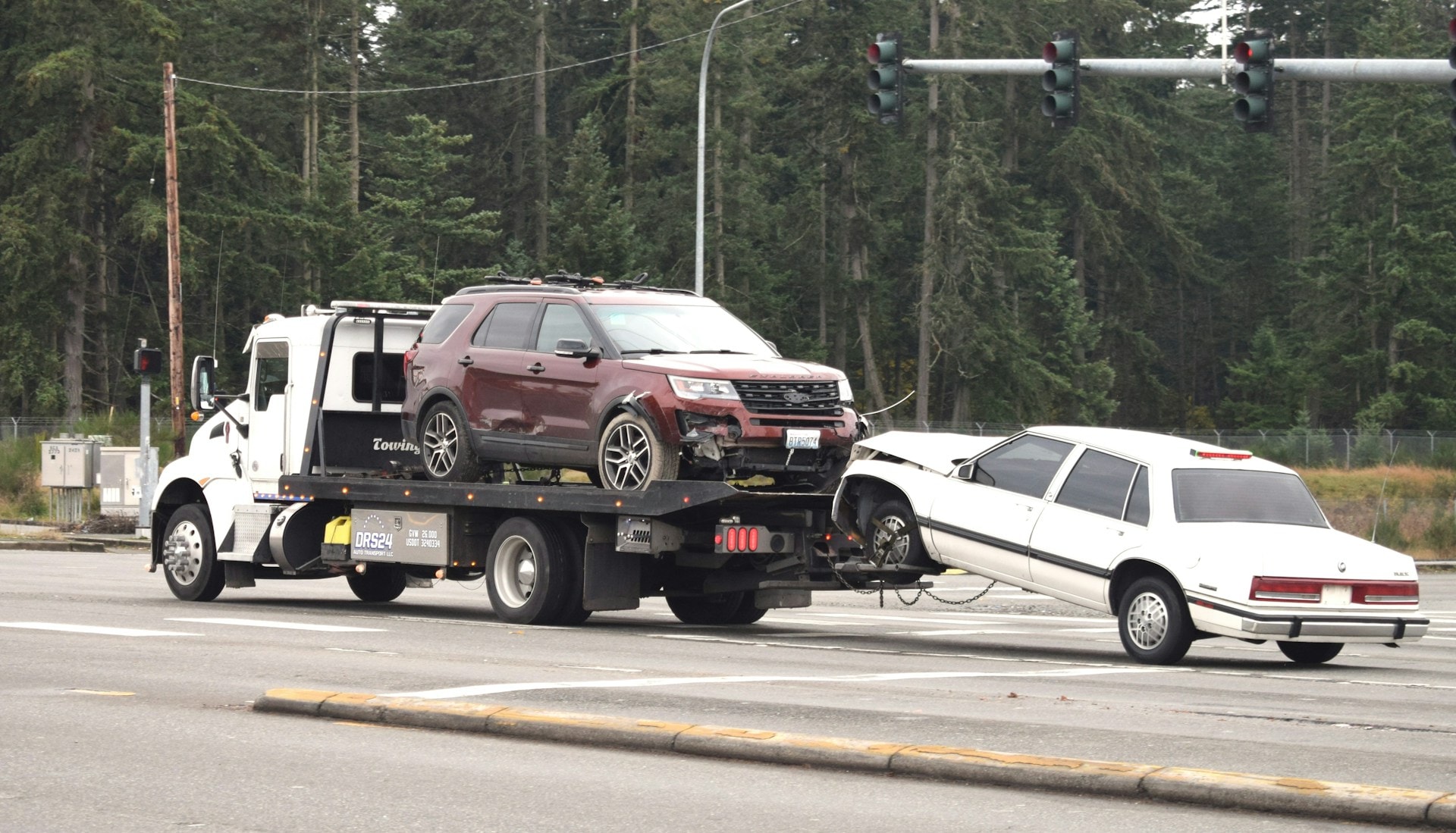
What Happens If You’re Injured in an Accident in Seattle
A sudden accident in Seattle can change everything in seconds. One moment you are driving through downtown traffic or navigating a rainy intersection, and the next you are dealing with pain, confusion, and uncertainty.
A Seattle car accident often brings more than vehicle damage. It can mean medical expenses, lost wages, emotional trauma, and difficult conversations with insurance companies.
If you are wondering what happens if you’re injured in an accident in Seattle, this guide walks you step by step through what to do next.
At Brumley Law Firm, we help people facing serious injuries after a car accident understand their rights under Washington law. Our team, led by Joshua Brumley, provides legal guidance focused on clear communication, thorough preparation, and client-centered service.
The Reality Of A Car Accident In Seattle
Seattle road conditions create real risks. Heavy rain, poor lighting, steep hills, and dense traffic all contribute to vehicle crashes.
According to the Washington State Department of Transportation, thousands of injury collisions occur each year in King County. These vehicle crashes range from minor fender benders to life threatening head on collisions.
Whether the crash happens on I-5 or a neighborhood street, the steps you take immediately afterward matter.
Immediate Steps After A Seattle Car Accident
Call 911 And Request Help
Call 911 immediately. Ask for police and medical responders.
In Seattle, officers from the Seattle Police Department will typically respond to injury collisions. Emergency medical teams can provide immediate medical attention.
This first step protects your well being and creates official documentation.
Move To A Safe Location If Possible
If you are medically able, move your vehicle involved to a safer area. Turn on hazard lights and warn oncoming traffic.
Safety comes first after any car crash.
Report The Accident As Required
Under Washington law, you must report accidents involving injury, death, or at least $1,000 in property damage. If an officer does not file a report at the scene, you are required to submit a Collision Report to the Washington State Patrol within four days.
Failing to report can complicate your insurance claim and personal injury claim.
Seek Immediate Medical Attention
Get Evaluated Even If You Feel Fine
After an auto accident, adrenaline can mask symptoms. Always seek medical attention.
Head injuries, internal bleeding, and internal injuries may not show immediate signs. Traumatic brain injuries can develop hours or days later.
The Centers for Disease Control and Prevention explains that head trauma symptoms can be delayed and should never be ignored.
Tell Doctors About All Symptoms
Describe headaches, dizziness, neck stiffness, or emotional distress. Even minor complaints can signal serious injuries such as spinal cord injuries or head trauma.
Proper documentation in medical records supports your future personal injury lawsuit.
Follow Through With Medical Treatment
Follow all treatment plans. Attend physical therapy appointments. Continue recommended imaging or specialist visits.
Consistent medical care shows that your physical injuries and chronic pain are real and ongoing.
Documenting The Scene And Preserving Critical Evidence
Take Photos And Videos
If possible, take time stamped photos of vehicles, road conditions, skid marks, and any poor lighting issues.
Photograph visible car accident injuries and property damage.
Collect Witness Information
Gather names and phone numbers from witnesses. Witness statements can be powerful critical evidence.
Request The Police Report
Ask for the responding officer’s name and police report number. Request a copy once available.
A police report can strengthen your case when dealing with the other driver’s insurance company.
Medical Treatment, Symptom Tracking, And Follow Up Care
Keep A Daily Log
Track physical pain, emotional trauma, and any symptoms of post traumatic stress disorder.
Document sleep problems, anxiety, or head injuries.
Preserve All Medical Records
Keep copies of medical records, bills, and imaging results.
Proper documentation of medical expenses is essential to pursue compensation.
Spinal Cord Injuries And Head Trauma
Spinal cord injuries can result from violent impact in a rollover accident or side impact collision.
Immediate imaging such as MRI or CT scans may be required.
Head trauma and traumatic brain injuries can affect memory, concentration, and mood. These severe injuries may require long term rehabilitation costs.
Injured Passengers: Special Considerations
Passenger injuries are common in rear end collisions, intersection crashes, and multi vehicle pile ups.
Under Washington law, passengers may have the right to pursue compensation for their injuries. If you are a passenger injured in a car accident, fault typically does not reduce your right to recover compensation.
Passengers may file claims against the at fault driver’s insurance company and may also use Personal Injury Protection coverage.
Personal Injury Protection In Washington
Washington drivers often carry Personal Injury Protection coverage. PIP should pay for immediate medical bills and lost wages regardless of fault.
Passengers may be covered by the driver’s insurance provider or their own policy.
Multiple Insurance Policies
Injured passengers can sometimes seek compensation from multiple policies. For example, both the negligent driver’s liability coverage and PIP coverage may apply.
This approach may allow injured passengers to access all available insurance coverage.
Managing Medical Bills And Rehabilitation Costs
Medical bills after a serious accident can be overwhelming.
Hospital stays, surgeries, physical therapy, and rehabilitation costs add up quickly.
Keep itemized medical bills and track transportation costs to appointments.
Washington does not cap non economic damages such as emotional distress and physical pain, unlike some states. This can be important in cases involving broken bones, severe injuries, or long term disability.
Understanding Washington’s Fault Based System
Washington operates under a fault based system. The at fault driver is responsible for damages.
Under pure comparative negligence, you can recover compensation even if partially at fault. Your award may be reduced by your percentage of responsibility.
This rule is outlined in Washington statutes maintained by the Washington State Legislature.
The Three Year Statute Of Limitations
In most cases, you have three years from the date of the accident to file a personal injury lawsuit.
Missing this deadline can prevent you from pursuing compensation entirely.
Evidence can disappear quickly. Surveillance footage may be erased. Witness memories fade.
Acting early protects your legal rights.
Navigating The Claims Process
Notify Your Insurance Provider
Report the insurance claim promptly to your driver’s insurance company.
Provide insurance details but avoid admitting fault.
Be Careful With Recorded Statements
Insurance companies often request providing recorded statements. Consider speaking with a Seattle car accident lawyer before doing so.
Statements can be used to minimize your claim.
Communicate In Writing
Keep notes of all conversations with insurance companies. Document dates, times, and representatives’ names.
Proper documentation strengthens your position.
Types Of Damages You May Recover
You may seek compensation for:
- Medical expenses
- Lost wages
- Future earning capacity pain and suffering
- Emotional distress
- Property damage
- Funeral expenses in fatal cases
Economic damages include medical bills and lost income. Non economic damages include emotional trauma and loss of consortium.
Physical And Emotional Impact Of Car Accident Injuries
Car accident injuries may include broken bones, internal bleeding, whiplash, or severe injuries like spinal cord damage.
Emotional trauma can persist long after physical injuries heal.
Psychological trauma and post traumatic stress disorder are recognized components of personal injury cases.
When To Contact A Seattle Car Accident Lawyer
An experienced personal injury attorney can help you understand your legal options and navigate the claims process.
Our attorneys handle cases involving Washington’s comparative negligence laws and insurance claims.
Many personal injury cases are handled on a contingency fee basis, meaning attorney fees are typically paid from any recovery. The specific terms are explained in a written fee agreement.
How A Personal Injury Attorney Helps
A Seattle car accident attorney can:
- Investigate the crash
- Gather critical evidence
- Negotiate with insurance companies
- Evaluate the scope of your claimed damages and seek compensation consistent with Washington law
- File a personal injury lawsuit if necessary
Having legal representation often alleviates stress and allows you to focus on recovery.
Example Scenario
Imagine a passenger injured in a side impact collision caused by a negligent driver running a red light.
The passenger suffers head injuries and internal injuries requiring surgery.
Medical expenses exceed $150,000. Lost wages accumulate.
An attorney can help evaluate available insurance coverage, document damages, and negotiate with insurers to seek appropriate compensation.
Legal guidance can help ensure that available insurance coverage and damages are carefully evaluated before accepting a settlement offer.
Government Entities And Special Rules
If government entities are involved, such as a city vehicle involved in the crash, special notice requirements apply.
Claims against public agencies often have shorter timelines and procedural steps.
Speaking with legal counsel early can help you understand applicable deadlines and procedural requirements.
If your injuries occurred on public transportation, you may also review related services such as our Tacoma Bus Accident Lawyer resource.
Protecting Your Claim
Avoid posting about the accident or your injuries on social media.
Insurance companies monitor online activity.
Keep damaged clothing and personal items as evidence.
Preserve dashcam footage immediately.
Practical Post Injury Checklist
- Call 911 and request help
- Seek immediate medical attention
- Photograph the scene
- Collect witness statements
- Request the police report
- Notify your insurance provider
- Consult a car accident lawyer
Final Thoughts On Seeking Fair Compensation
After a serious accident in Seattle, your priorities should be safety, medical care, and documentation.
Recovering from physical injuries, chronic pain, or emotional distress takes time.
A personal injury attorney can help you understand your legal rights, navigate insurance companies, and seek compensation consistent with Washington law and the specific facts of your case.
At Brumley Law Firm, we approach each case with care and attention. Our team is committed to helping clients seek compensation while focusing on healing and rebuilding. Contact us at (833) 740-2275 to schedule a free consultation to discuss your situation.
If you have been injured in a Seattle auto accident, informed action today can protect your future tomorrow.