

How a Washington Car Accident Claim Typically Unfolds: From Injury to Resolution
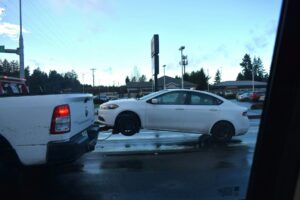
How a Washington Car Accident Claim Typically Unfolds: From Injury to Resolution
Overview Of How Car Accidents Lead To Claims
A serious car accident can disrupt every part of your life. From the accident date forward, you may be managing medical care, lost income, and ongoing stress about how to recover damages. Understanding how a Washington car accident claim typically unfolds from injury to resolution helps injured people protect their legal rights and make informed decisions.
In Washington state, most car accident claims follow a structured timeline. The process moves from immediate medical treatment and evidence preservation through insurance claims, negotiations, and, in some cases, a personal injury lawsuit.
Washington operates under a fault-based system. This means the driver who is legally responsible for causing the crash is responsible for the resulting damages. Claims are typically pursued through the at fault driver’s insurer.
Under Washington law, most personal injury claims must be filed within three years of the accident date. This three-year statute of limitations applies to most car accident cases. Missing the statute of limitations generally means losing the right to pursue compensation.
The countdown usually begins on the date of the injury. In limited circumstances, such as delayed discovery of harm, the discovery rule may adjust when the clock starts. Washington state law also provides tolling in specific situations, which can pause the deadline.
Immediate Steps After A Car Accident
The first step after a car crash is to seek medical care. Your health comes first, and prompt medical treatment also creates important medical records.
Even minor injuries can worsen over time. What initially feels like soreness may later be diagnosed as traumatic brain injuries, soft tissue damage, or other serious injuries. Early documentation helps connect your injuries to the accident scene.
Keep copies of all diagnoses, prescriptions, and treatment plans. Retain medical bills, receipts, and appointment summaries. These records are critical when calculating medical expenses and presenting personal injury claims.
If officers do not investigate the accident scene, Washington requires drivers to file a collision report within four days. You can review reporting requirements through the Washington State Patrol website.
If there are injuries or property damage exceeding $1,000, reporting the crash is essential. A police report creates an official record that can later serve as key evidence.
Documenting The Crash And Preserving Key Evidence
Strong documentation can shape the outcome of car accident claims. Begin collecting evidence as soon as possible.
Take photos of the vehicles, visible injuries, skid marks, road conditions, traffic signals, and any property damage. Capture the broader accident scene from multiple angles.
Obtain witness statements and contact information. Independent witnesses can help clarify determining fault and the other driver’s actions, including distracted driving.
Preserve dashcam footage, nearby surveillance video, or traffic-camera recordings. These materials may later become central during negotiations or the discovery phase.
Secure repair estimates and retain receipts for vehicle repairs. Property damage documentation supports the economic portion of your claim.
Identifying The At Fault Driver And Comparative Negligence
Determining fault is central in Washington’s legal system. Because Washington is a fault-based state, the party whose negligence caused the crash is financially responsible.
Under Washington state law, the state follows a pure comparative negligence rule. This means an injured person can still recover damages even if partially at fault, but compensation is reduced by their percentage of fault.
For example, if you are found 20 percent responsible for a Seattle car accident, your total recovery is reduced by 20 percent. Comparative negligence often becomes a focal point in negotiations with insurance companies.
Evidence such as police report findings, witness statements, and traffic camera footage may influence how fault is allocated.
Filing An Insurance Claim
Once immediate medical care is underway, the next step is reporting the crash to your insurer and the at fault driver’s insurer.
Provide factual details only. Avoid speculation or admissions of fault. Keep claim reference numbers and copies of all correspondence.
Submit medical records and proof of lost wages to support your claim. Personal Injury Protection coverage, commonly known as PIP, may assist with initial medical bills regardless of fault.
Insurance companies often try to limit their payouts after a car accident. Understanding this dynamic helps you approach the legal process strategically.
Dealing With Insurance Adjusters
Insurance adjusters are trained negotiators. Their role is to evaluate claims and minimize their company’s financial exposure.
You should avoid admitting fault or making detailed recorded statements without legal counsel. Even casual comments may later be used to challenge your claim.
If a settlement offer is presented, request the adjuster’s rationale in writing. Understanding how they calculated their offer allows you to respond effectively.
Insurance companies sometimes extend quick, low settlements, especially when severe injuries are still being evaluated. Accepting early may prevent recovery of additional compensation later.
Consulting an experienced lawyer can provide legal guidance and legal support during these conversations.
Calculating Damages In Personal Injury Claims
Calculating damages involves both economic and non economic damages.
Economic damages include medical expenses, lost wages, lost income, property damage, and future medical treatment costs. These are typically supported by invoices and receipts.
Non economic damages include emotional distress, psychological trauma, chronic pain, and loss of enjoyment of life. These subjective losses require careful documentation and often input from medical experts.
Most personal injury claims reach Maximum Medical Improvement before final valuation. MMI is the stage at which further medical treatment is not expected to significantly improve your condition.
Reaching MMI allows a more accurate assessment of future care needs and long-term impact.
Preparing A Demand Letter
The demand letter is a formal document that initiates negotiations with the insurance company.
It outlines liability, describes injuries, itemizes damages, and specifies the amount sought. A well-supported demand letter includes medical records, bills, repair estimates, and documentation of lost wages.
Negotiating with insurance companies often begins after this letter is sent. A clear presentation of liability and damages can influence the tone of the negotiations.
An experienced attorney can ensure that both economic and non-economic damages are fully presented in the claim.
Negotiating A Car Accident Settlement
Many car accident claims are resolved through negotiation or mediation before trial, though each case depends on its specific facts.
After receiving the demand letter, the at fault driver’s insurer may respond with a counteroffer. Careful evaluation is essential before accepting or rejecting it.
If negotiations fail, mediation may be considered. A neutral third party facilitates discussion to reach a fair settlement.
An experienced attorney can help guide you through negotiations and work to protect your legal interests throughout the process.
When Negotiations Fail And Litigation Begins
If negotiations fail, filing a personal injury lawsuit may become necessary. Filing officially begins the legal process in court.
The complaint must be filed before the statute of limitations expires. In Washington state, that deadline is generally three years for most personal injury cases.
Once filed, the defendant and opposing counsel respond. The case then proceeds through structured litigation steps.
The Discovery Phase In Car Accident Lawsuits
The discovery phase is when both sides exchange information. This phase can last six months or longer, depending on complexity and cooperation.
Attorneys serve interrogatories, which are written questions that must be answered under oath. They request production of documents such as medical records, employment records, and insurance policies.
Depositions may be taken of the injured person, the other driver, medical experts, and witnesses. These sworn statements can shape settlement discussions or trial strategy.
Discovery helps clarify liability, damages, and party’s negligence issues involving multiple parties.
Trial Preparation And The Trial Process
As trial approaches, attorneys prepare witness lists, exhibits, and legal arguments.
Settlement discussions often continue during trial preparation. Many cases resolve before jury deliberation begins.
If trial proceeds, evidence is presented before a judge or jury. After hearing testimony and reviewing exhibits, the jury deliberation phase determines liability and damages.
Only a small percentage of personal injury lawsuits reach this stage.
Role Of Your Legal Team Throughout The Entire Legal Process
Throughout the legal process, your legal team can manage communications, preserve key evidence, and advocate on your behalf.
A lawyer can evaluate settlement offers and advise you on available options, including whether to pursue the matter through trial.
Our attorneys work with Washington personal injury cases and are familiar with Washington’s legal system.
When appropriate, legal counsel may coordinate with medical experts, accident reconstruction specialists, or other professionals.
At Brumley Law Firm, we offer a free consultation to review your situation and discuss potential next steps.
If your case involves intentional acts such as assault connected to a vehicle incident, different deadlines may apply. Civil claims for intentional acts like assault or battery typically have a two-year statute of limitations.
Post Resolution Steps After A Car Accident Settlement
After a car accident settlement is reached, settlement documents are finalized and signed.
Medical liens from healthcare providers or insurers must be resolved before funds are distributed. Addressing medical liens properly helps avoid future disputes.
Once deductions for medical expenses and legal fees are addressed, remaining funds are disbursed to the injured person.
Closing the file marks the final stage in how a Washington car accident claim typically unfolds from injury to resolution.
Common Pitfalls To Avoid
Delaying medical care can weaken a claim and allow insurance companies to question severity.
Failing to document the accident scene may result in lost key evidence.
Providing recorded statements without legal guidance may harm your case.
Missing the statute of limitations can permanently bar recovery.
Frequently Asked Questions
What Are The Stages Of An Injury Claim?
A claim typically progresses from medical treatment and investigation to insurance negotiations, and if necessary, litigation and the trial process.
How Much Are Most Car Accident Settlements In Washington?
Settlement values vary widely depending on severe injuries, lost wages, medical expenses, and liability disputes. There is no fixed amount for a car accident settlement.
Can I Seek Compensation For Anxiety After A Car Accident?
Yes. Emotional distress and psychological trauma fall under non economic damages and may be included in personal injury cases when supported by evidence.
What Factors Determine Compensation?
Factors include severity of injuries, medical treatment costs, lost income, property damage, liability allocation, and long-term impact.
For broader national safety data about crashes and injury patterns, you can review information from the National Highway Traffic Safety Administration.
General guidance on Washington collision reporting requirements is available through the Washington State Department of Licensing.
If your case involves a drunk driving collision, additional legal considerations may apply. You can learn more by visiting our Tacoma drunk driving accident lawyer page.
Conclusion
Understanding how a Washington car accident claim typically unfolds from injury to resolution empowers injured people to protect their legal rights, seek compensation, and move toward a successful outcome with the right legal guidance.
Contact Brumley Law Firm today at (833) 740-2275 to schedule a free initial consultation.