

Do Pedestrians Have the Right of Way?
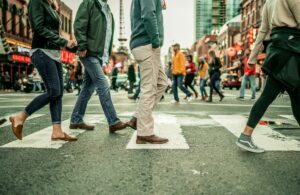
Do Pedestrians Have the Right of Way?
Introduction to Pedestrian Rights
Pedestrian rights play a central role in road safety, especially as cities across Washington State continue to balance vehicle traffic with walking, biking, and public transit. Understanding whether pedestrians have the right of way helps reduce confusion at intersections, improves traffic flow, and supports safer outcomes for all road users.
Pedestrian safety depends on shared responsibility. Drivers operating motor vehicles must follow traffic laws and yield when required, while pedestrians must remain aware of their surroundings and take reasonable steps to protect their own safety. When everyone understands how right of way rules work, the risk of pedestrian accidents drops significantly.
This guide explains how pedestrian right of way laws work in Washington State, where pedestrians always have the right in certain situations, and when both pedestrians and drivers must exercise reasonable care to prevent dangerous situations.
Understanding Right of Way Laws
The right of way refers to the legal right to proceed ahead of others in traffic. In Washington State, right of way laws often favor pedestrians, particularly at intersections and crosswalks.
Under state law, drivers must yield to pedestrians in a marked or unmarked crosswalk, whether or not traffic signals are present. These rules are designed to promote road safety and protect people who are more vulnerable in traffic environments.
Pedestrians also have responsibilities. Even when pedestrians have the right, they cannot suddenly leave a curb or sidewalk and enter traffic in a way that makes it impossible for a vehicle to stop safely.
Marked and Unmarked Crosswalks Explained
Marked Crosswalks
Marked crosswalks are easy to identify by painted lines, signage, or traffic control devices. In these areas, pedestrians clearly have the legal right to cross safely.
Drivers are legally required to come to a complete stop and yield to pedestrians already in the crosswalk. Failing to do so can result in traffic violations and increased liability if an accident occurs.
Unmarked Crosswalks
Unmarked crosswalks exist at most intersections, even when there are no painted lines. Many people do not realize that pedestrians still have the right of way at these locations.
Drivers must yield in marked and unmarked crosswalks, while pedestrians must cross carefully and remain visible. Extra caution is especially important at night or in poor weather conditions.
Traffic Signals and Pedestrian Signals
At signalized intersections, traffic signals and pedestrian signals guide both drivers and pedestrians.
When a pedestrian sees a walk signal or walk sign, it means they may begin crossing streets in the direction of traffic. Drivers facing a green light must still yield to pedestrians lawfully crossing.
When the signal changes to red light or displays a “Don’t Walk” message, pedestrians must not start crossing. Following traffic control instructions helps reduce confusion and preventing accidents.
For more detail on signalized intersections, resources from the Washington State Department of Transportation explain how pedestrian signals function and why compliance matters.
Where Pedestrian Accidents Commonly Occur
Many pedestrian accidents happen at intersections, in parking lots, and along busy roadways where visibility is limited. According to the National Highway Traffic Safety Administration, pedestrian fatalities often increase in urban areas with heavy traffic and mixed road use.
Driver behaviors such as failing to yield, speeding, or avoid colliding by distraction are common contributing factors. Data from the Centers for Disease Control and Prevention also shows that pedestrian injuries frequently result in serious injuries, including fractures and head trauma.
Responsibilities of Drivers
Drivers have a clear legal obligation to protect pedestrians. This includes yielding at crosswalks, obeying traffic control devices, and watching for other pedestrians when turning or merging.
Drivers must:
- Yield at any marked or unmarked crosswalk
- Stop completely when pedestrians are crossing
- Remain alert near sidewalks, curbs, and intersections
- Avoid colliding with pedestrians, including those using a white cane
Failure to follow these rules can result in fines, points on a driving record, or more serious consequences if injuries occur.
Responsibilities of Pedestrians
Pedestrian rights come with responsibilities. Pedestrians must use crosswalks when available, follow pedestrian signals, and remain visible to traffic.
Pedestrians should:
- Stay alert and avoid distractions like phones or headphones
- Make eye contact with drivers before stepping into the street
- Cross from the curb and not between parked vehicles
- Use sidewalks whenever possible
These actions help ensure safety and reduce the risk of accidents involving other road users.
Safety Tips for Crossing Streets
Following basic safety tips can significantly improve outcomes during a pedestrian crossing.
- Look left, right, then left again before crossing
- Watch for vehicles turning on green lights
- Be cautious near intersections with heavy traffic
- Increase visibility during low light or poor weather
These habits support safer crossing behavior and help pedestrians cross safely in a wide range of traffic conditions.
Do Pedestrians Always Have the Right?
Pedestrians always have the right of way in marked crosswalks and when pedestrian signals indicate “Walk.” However, this does not eliminate the need for due care.
Pedestrians cannot step into traffic unlawfully or ignore signals. Likewise, drivers must yield when required, even if traffic is flowing quickly.
Understanding how right of way works helps reduce misunderstandings that often lead to accidents.
Legal Options After a Pedestrian Accident
When pedestrian accidents occur due to driver negligence, injured pedestrians may seek legal assistance. A personal injury claim can help address medical bills, lost income, and other damages.
Washington law allows injured pedestrians to pursue compensation when drivers fail to meet their legal obligations. Guidance from an experienced legal professional can help clarify available options and the claims process.
Readers interested in learning more can explore resources from a Seattle personal injury lawyer to better understand how pedestrian injury cases are handled in Washington.
Free Consultation for Pedestrian Accident Victims
Pedestrian accident victims may qualify for a free consultation to discuss their situation and learn about potential next steps. This conversation can help clarify pedestrian rights, responsibilities, and how traffic laws apply to a specific incident.
While every case is different, speaking with a personal injury lawyer can provide helpful context and direction during a challenging time. Brumley Law Firm focuses on pedestrian rights and personal injury cases across Western Washington, offering guidance rooted in experience and care.
Understanding your rights is an important first step toward recovery and safer roads for everyone.