

Car Value for Insurance Claims: How Insurers Determine Payments
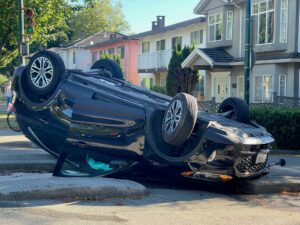
Car Value for Insurance Claims: How Insurers Determine Payments
After a car accident, few things are more frustrating than realizing your insurance payout may not match what you think your car was worth. For Washington drivers dealing with car insurance claims, understanding car value for insurance claims is critical. This article is written for people navigating a collision, total loss, or valuation dispute with insurance companies and who want clear answers about how insurers decide what to pay.
We focus on how the process works in Washington State, including Seattle and King County, where local market demand can influence vehicle prices. By the end, you will understand how insurers calculate value, what affects your insurance payout, and how to challenge an insurer if you disagree.
Why Car Value Matters After an Accident
When an accident happens, insurance is supposed to protect you financially. Whether your car needs repairs or is declared a total loss, the value of your car determines how much money you receive. Many drivers assume car insurance pays replacement cost automatically, but that is not typically how auto insurance works.
Most policies pay actual cash value, which reflects depreciation. That difference often surprises drivers who still owe on a loan or lease or who recently invested in repairs.
What Is Actual Cash Value (ACV)
Actual cash value, often shortened to ACV or actual cash, is the amount your vehicle was worth immediately before the accident.
According to the Insurance Information Institute, actual cash value reflects a vehicle’s replacement cost minus depreciation.
In simple terms, ACV answers this question: what would a willing buyer pay for your used vehicle in its pre accident condition in your local market. Because cars depreciate faster in the first year and continue to lose value over time, ACV is usually lower than the price to replace the car with a new one.
ACV vs Replacement Cost
The difference between actual cash value and replacement cost is one of the most important concepts in insurance claims. Replacement cost is the amount needed to replace your vehicle with a comparable new car of the same make and model.
Most standard auto insurance policies pay ACV, not replacement cost. Replacement cost coverage usually requires a special endorsement or new car replacement coverage and comes with strict eligibility rules.
When Is a Car Considered a Total Loss
A total loss occurs when the cost of repairs exceeds the car’s value. In Washington, a vehicle is considered totaled when the repair cost plus salvage value equals or exceeds the car’s actual cash value.
This means a totaled car is not defined by a fixed percentage nationwide. The insurer decides based on value, repair estimate, and salvage considerations. If repairs cost more than the ACV, the insurance company will typically declare a total loss and issue a payment based on ACV.
Common Total Loss Scenarios
Total loss situations are common in serious collisions, older vehicles, or cases involving frame damage. Even moderate accidents can total used vehicles if parts prices or labor costs are high.
For example, a ten year old sedan with moderate mileage may be declared totaled after a rear end collision because the cost of repairs exceeds its market value.
How Insurance Companies Determine Car Value
So how does an insurance company determines what your car is worth. The process works through a combination of data, adjuster review, and market analysis.
General guidance from the National Association of Insurance Commissioners explains how insurers evaluate vehicle condition, depreciation, and comparable sales during claims.
Role of the Insurance Adjuster
The insurance agent or adjuster is responsible for reviewing the claim and issuing an estimate. The adjuster determines the car’s actual cash value by comparing your vehicle to similar vehicles in your area.
They may review photos, inspection notes, repair records, and prior accident history. Previous damage or poor condition can lower the car’s value significantly.
Local Market and ZIP Code Effects
Location matters. Insurers often search within a 150 mile radius and may use Seattle or King County data as benchmarks. Market value in the Seattle area is often higher than national averages due to demand, which can work in your favor.
That said, insurers rely on actual sale prices, not listing prices. A sale online posting does not carry the same weight as a completed transaction.
Key Factors That Affect Car Valuation
Many factors influence valuation. Mileage, age, model years, make, and overall condition all play a role. A car with low mileage and good condition interior and exterior will generally receive a higher ACV.
Other factors include accident history, maintenance records, aftermarket upgrades, and whether the vehicle was well maintained. These other factors are often overlooked but can affect the final number.
Depreciation and Why Cars Lose Value
Depreciation reflects wear and tear, age, and market demand. Most cars depreciate faster during the first year and continue to lose value annually.
This explains why the actual value of a vehicle is typically lower than the purchase price, even if the car feels new to you.
ACV and Loan or Lease Gaps
A common problem is when ACV does not cover what you still owe on a loan or lease. This is where gap insurance becomes important.
Gap insurance covers the difference between the ACV payment and the remaining loan balance. Without it, you may still owe money after the insurance payout.
New Car Replacement Coverage Explained
Some policies offer new car replacement coverage. This coverage may pay to replace your vehicle with a new one of the same model if it is totaled within a specific time frame, often one or two years.
Eligibility usually requires the vehicle to be within certain age limits and mileage thresholds. This coverage costs more but can prevent major financial loss.
Valuation Tools Insurers Use
Insurance companies consult multiple tools to determine value. Common resources include Kelley Blue Book, NADA, and Edmunds. These platforms analyze pricing trends for similar vehicles.
Because each tool uses different data, drivers should compare values from multiple sources to get a clearer picture of true market value.
Why Comparing Multiple Sources Matters
Relying on one source may undervalue your car. By checking Kelley Blue Book, Edmunds, and NADA, you can build a stronger argument if you dispute the insurer’s estimate.
You may also obtain quotes from used car dealers or local buyers to support your claim.
Requesting the Total Loss Valuation Report
Under Washington law, drivers have the right to request the Total Loss Valuation Report used by their insurer, a consumer protection outlined by the Washington State Office of the Insurance Commissioner.
Reviewing this document is critical. Errors in mileage, trim level, or condition can significantly reduce your payout.
How to Challenge an Insurance Valuation
If you disagree with the ACV, you can challenge the insurer. Start by gathering evidence such as maintenance records, upgrade receipts, and photos showing condition.
You may also provide an independent appraisal or a report from your own estimator to support a higher value.
Negotiating With Insurance Companies
Negotiation is part of the claims process. Prepare a clear counteroffer supported by documentation. Point out inaccuracies in the valuation report and reference comparable local sales.
If negotiations stall, mediation or appraisal clauses in your policy may provide additional options.
Practical Steps After Your Car Is Totaled
After a car is declared totaled, notify your lender if you have a loan or lease. Review your policy for gap insurance or new car replacement coverage.
Do not rush to accept the first payment. Take time to review the valuation and decide whether it accurately reflects your car’s value.
Fault and At Fault Driver Considerations
If another at fault driver caused the accident, their insurance may handle the claim. The valuation rules remain similar, but liability coverage limits may affect compensation.
Understanding fault does not change ACV but can influence how the claim is handled.
Real World Example
For example, a Seattle driver with a five year old SUV in good condition receives an ACV offer that seems low. By requesting the valuation report, the driver discovers the insurer compared vehicles with higher mileage. After providing service records and dealer quotes, the insurance company increased the payment.
When to Hire Legal Help
In complex disputes or when large sums of money are involved, it may help to hire a lawyer. Legal guidance can help ensure the valuation is fair and that your rights are protected.
If your accident involved serious injuries or a fatality, you can learn more about relevant legal topics on our page discussing wrongful death claims in Seattle, Washington.
Frequently Asked Questions
Will actual cash value cover my loan?
Generally no. ACV often falls short of the remaining loan balance, which is why gap insurance can be important.
What lowers a car’s cash value?
High mileage, poor condition, prior accidents, and age all reduce ACV.
Can I dispute the insurance payout?
Yes. You can challenge the valuation with evidence, appraisals, and comparable sales.
Does keeping my car in good condition help?
Yes. Regular maintenance and documentation can increase the ACV determination.
How long does the total loss process take?
Typically a few weeks, depending on inspections, valuation reviews, and negotiations.
Final Thoughts
Understanding how insurance companies determine car value empowers you during a stressful time. By knowing how ACV works, what affects depreciation, and how to challenge unfair valuations, Washington drivers can protect their financial interests after an accident and pursue fair compensation.
Contact Brumley Law Firm today at (833) 740-2275 to schedule a free consultation.